


|
|
|
|
by Yvette Depaepe
Published the 10th of August 2026
Gary Duan has experimented with different genres, including wildlife and street photography, but his main focus remains landscape photography. The grandeur of nature and the ephemeral nature of its beauty strongly move him: light that appears and vanishes in seconds, and conditions that will never be quite the same again. To him, photography is a dialogue with nature. The challenge for him lies in finding the visual language that best conveys his feelings at that particular moment.
Join me for a walk through his body of work and enjoy…
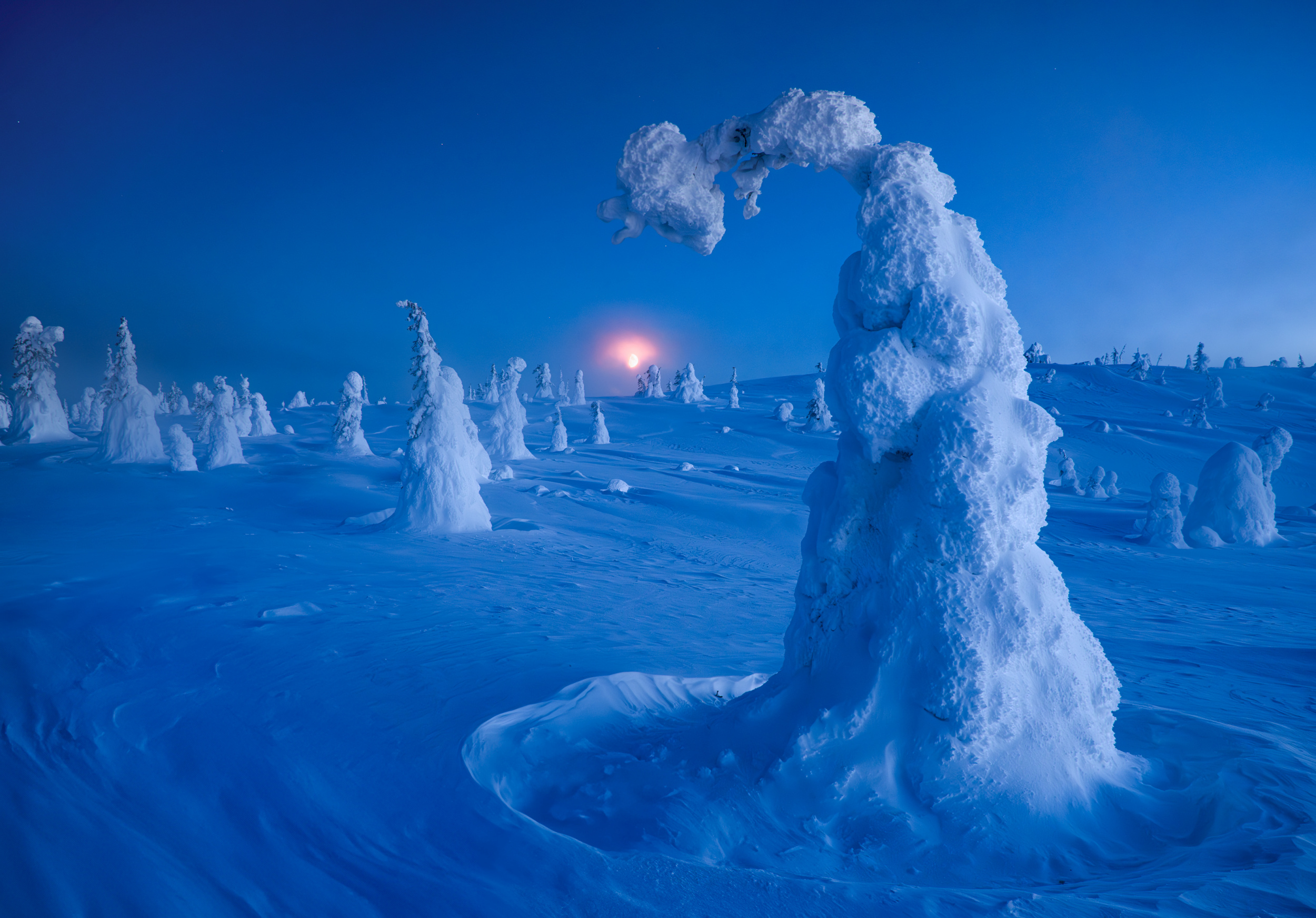
‘Unworldly’
Firstly, I would like to thank you for taking the time to complete this questionnaire. Could you please start by introducing yourself briefly and telling us about your hobbies and any other projects you are involved in?
My name is Gary Duan. I am currently based in California. Like many photographers, I developed an interest in photography through a love of travel. I still remember driving from the east coast to California many years ago with a point-and-shoot film camera and recording city landmarks and the dramatic landscapes of national parks along the way. At a certain point, I felt that the camera wasn't capable of capturing the compositions and lighting conditions I wanted, so I started investing in DSLRs, mirrorless cameras and drones. Interestingly, these days I find myself reaching for my smartphone more and more to record my trips and evaluate compositions. For photography-focused trips, however, larger cameras remain my primary tools.
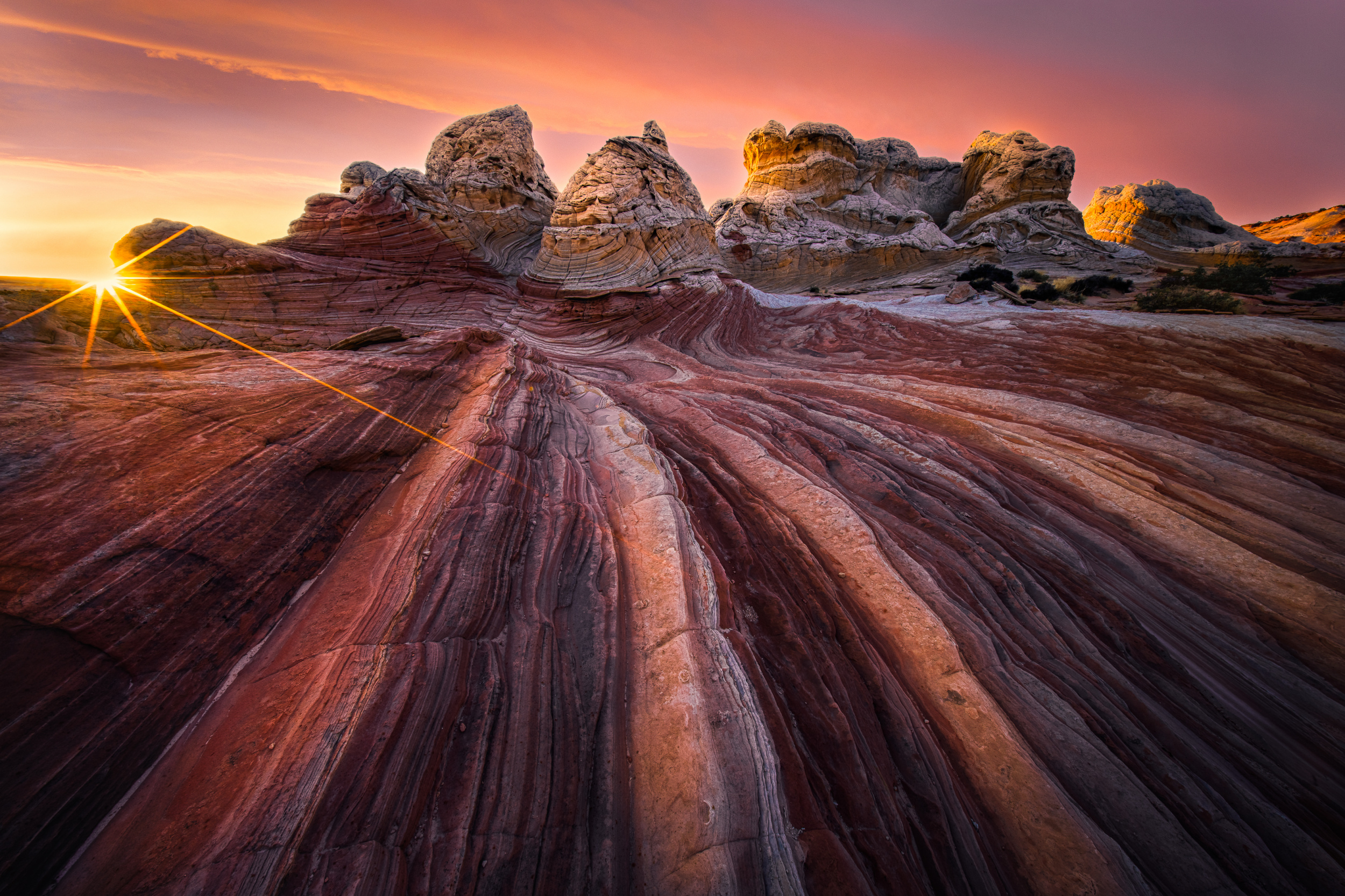
‘Flow of Fire’
For many of us, photography is a hobby or a way of life. So, how would you describe your relationship with photography?
I feel it is a luxury to have photography as a hobby — it's certainly the one I invest the most time in. As a hobby, it gives me the freedom to slow down during a trip, learn about the local culture and history, and experience everyday life, rather than spending every moment behind a lens. I believe this curiosity eventually finds its way into my photos. It also allows me to experiment with different genres and styles, and to revisit older work with fresh eyes whenever I discover new techniques or styles that I wish to study.
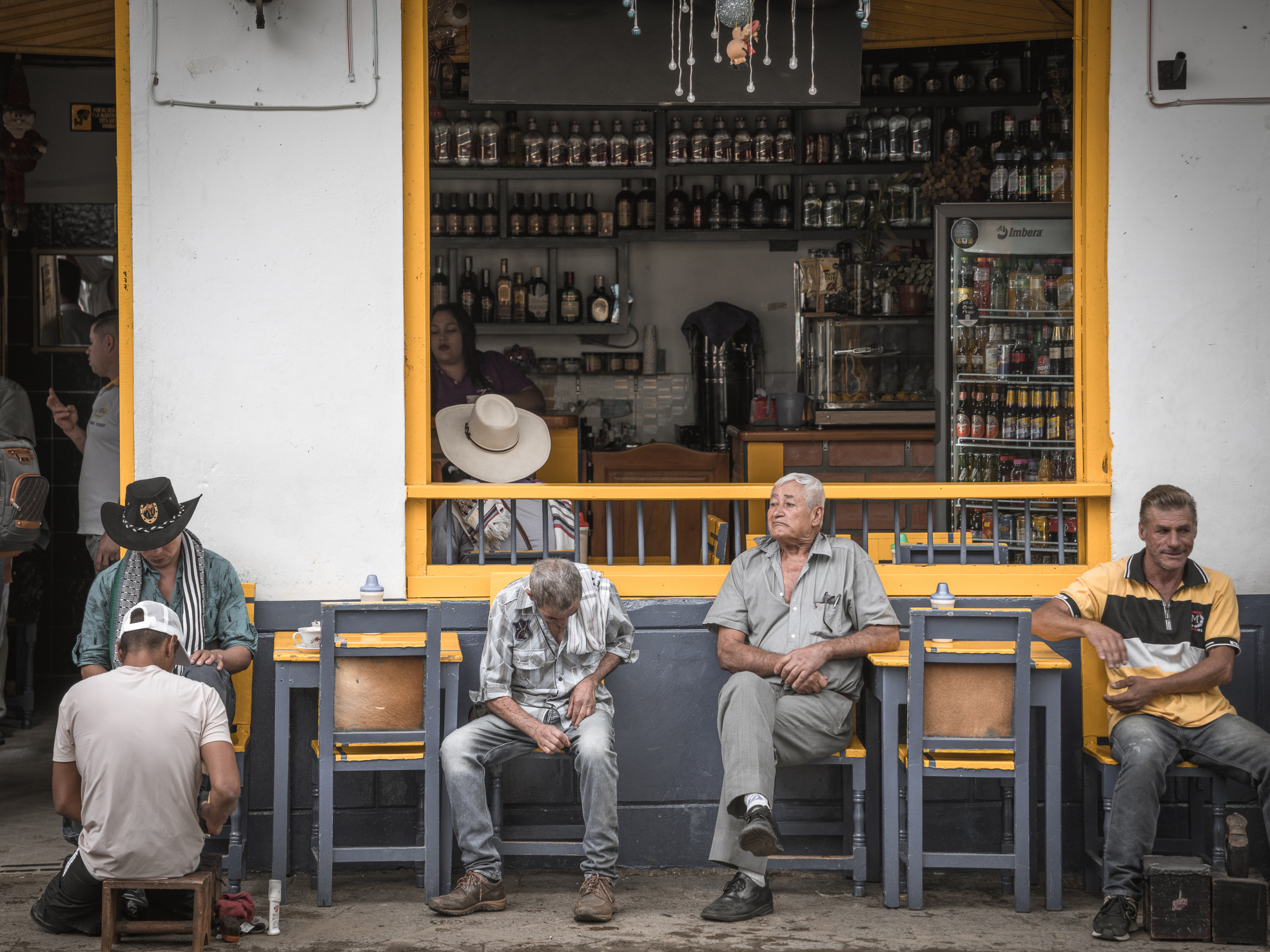
‘Colombia Street’
Which experience has had the greatest influence on your photographic journey so far?
I started out in photography simply by recording the scenes in front of me, but a trip to the Grand Circle in the American Southwest changed all that. At the time, many of the iconic locations in the area were relatively unknown among photographers, but the national parks offered endless opportunities. The vastness of the landscapes, the ever-changing light moving across the valleys and canyon walls and the challenging terrain all pushed me to become more intentional in my work. I started preparing for each shoot by researching and scouting locations, and investing in camera technique and post-processing. That trip transformed photography from a casual hobby into a pursuit.
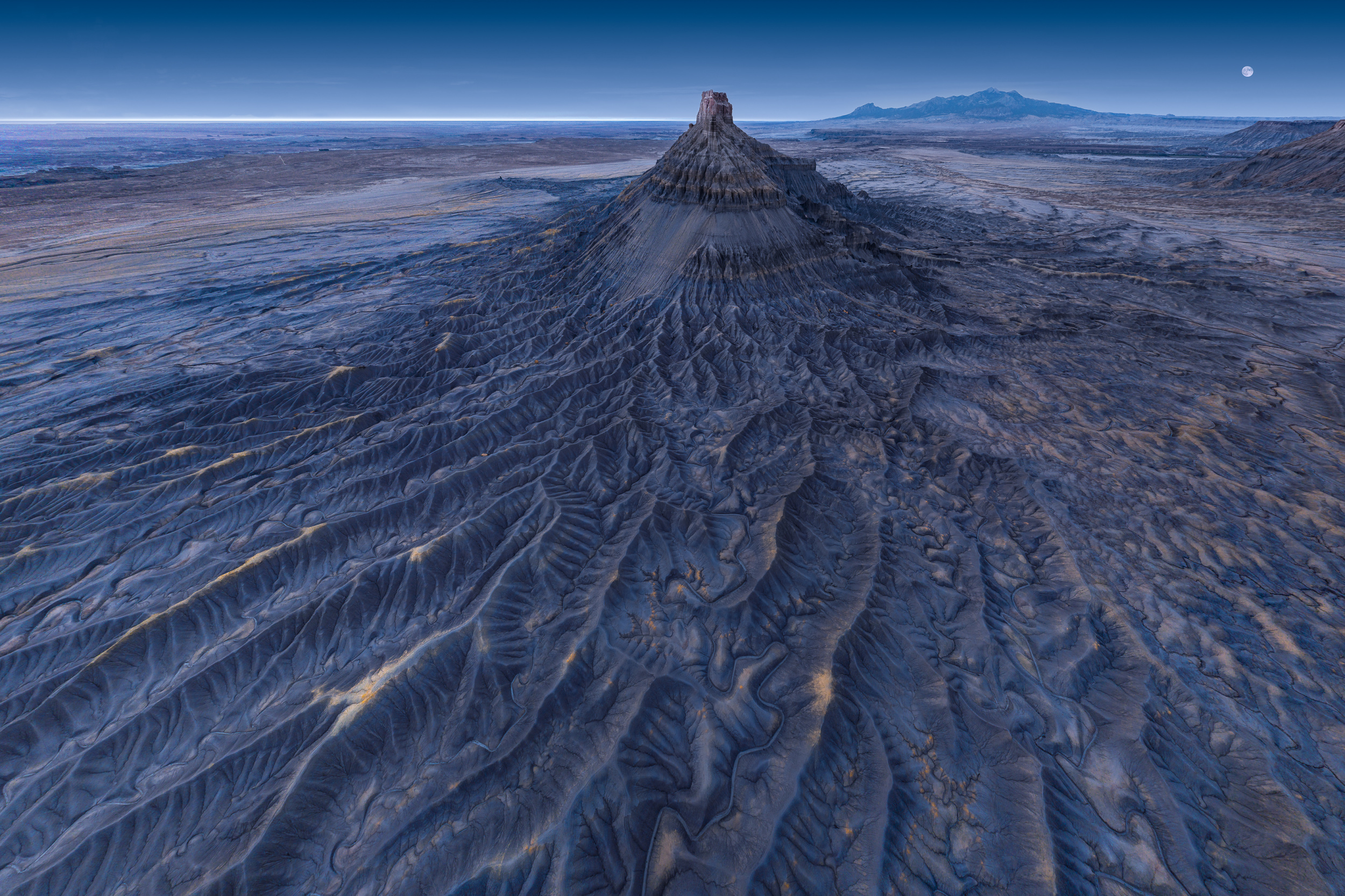
‘Marscape at Dusk’
Your landscape photographs are outstanding, as are your stunning aerial shots. What first drew you to this type of photography?
Although I have experimented with different genres, including wildlife and street photography, my main focus remains landscape photography. Standing on a mountaintop or walking among towering icebergs, I am moved by the grandeur of nature and the ephemeral nature of its beauty: light that appears and vanishes in seconds; conditions that will never be quite the same again. I think of photography as a dialogue between myself and nature. The challenge lies in finding the visual language that best conveys my feelings in that moment. Aerial photography with a drone has opened up a whole new dimension for me, offering new compositions and perspectives. It is as though I have suddenly acquired a new language that allows me to engage with the landscape in ways that weren't previously possible.
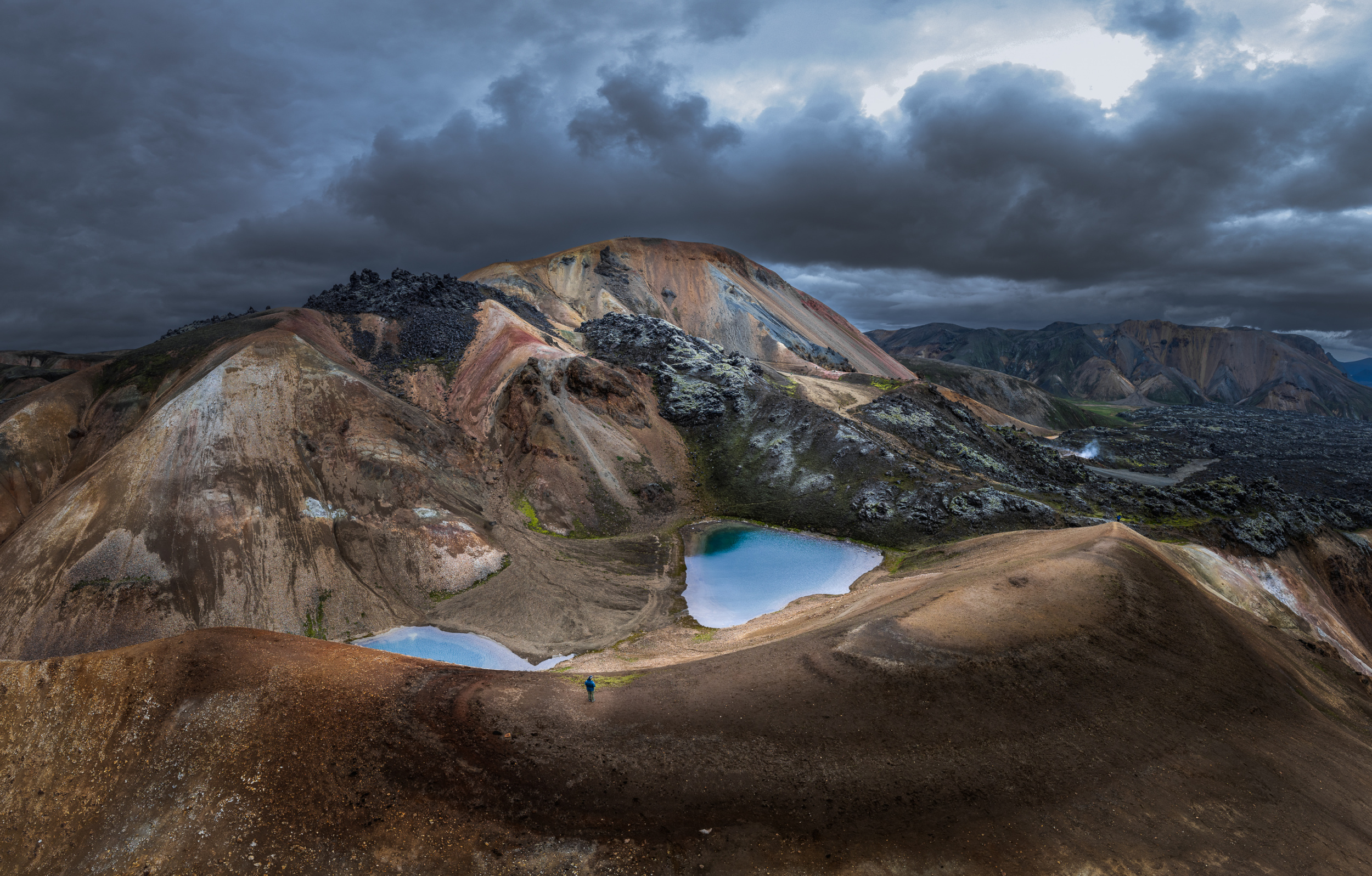
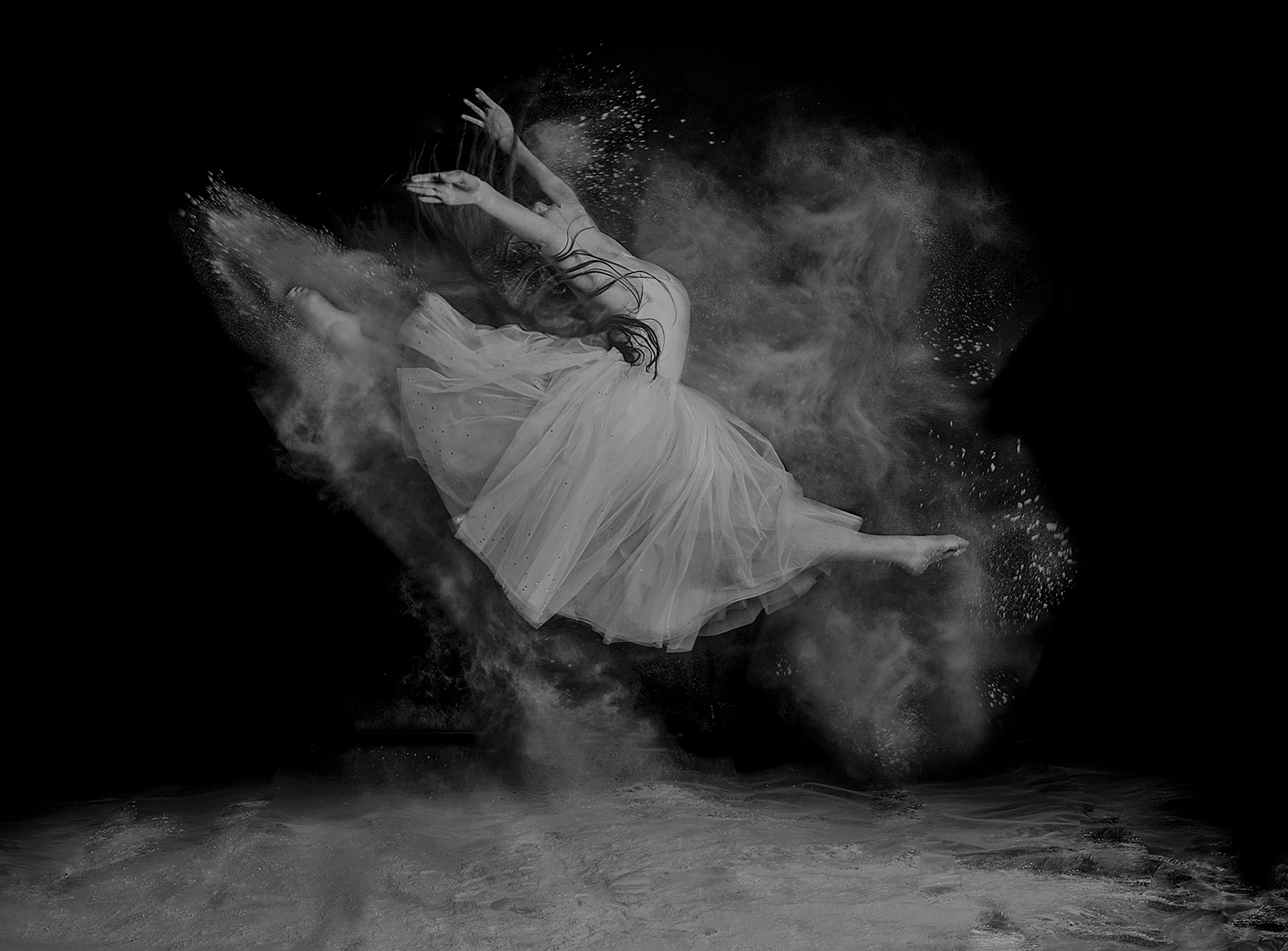
‘The Mask’
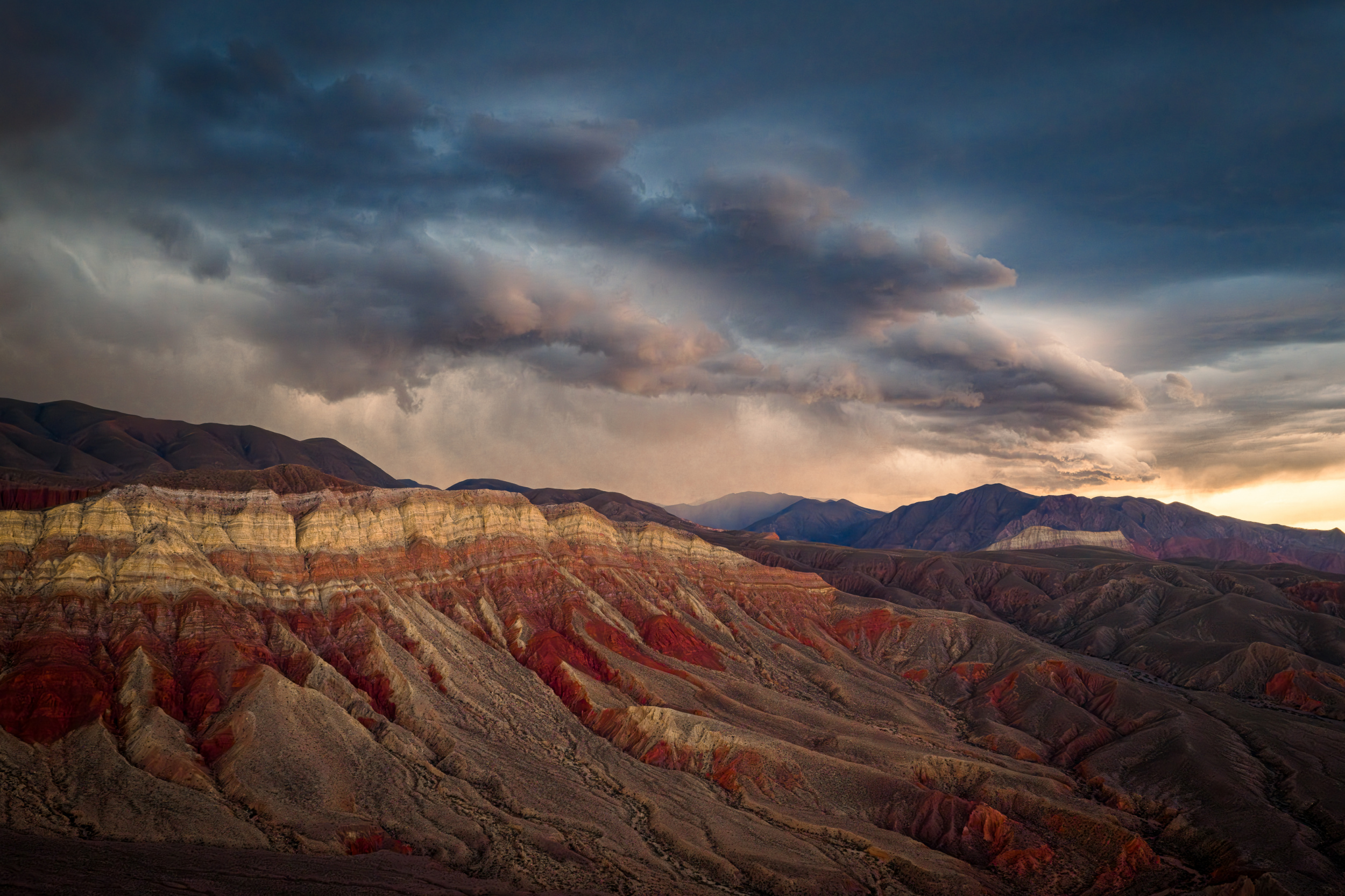
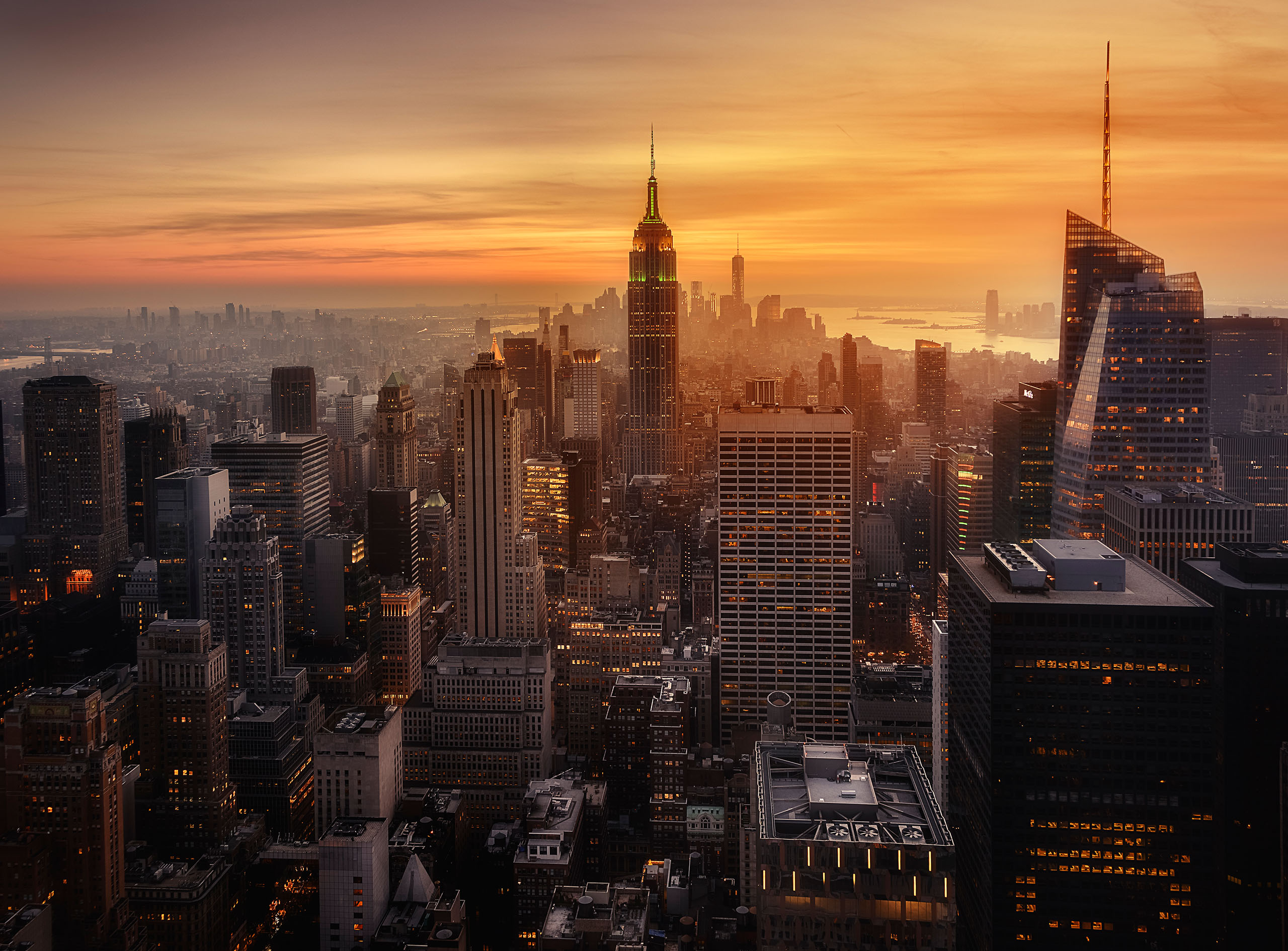
‘Tempest at Sunset’
Do you carefully select the locations at which you intend to take photographs?
Preparation is an essential part of my process. Fortunately, many good tools are available today. The tools I use most often are Google Maps and Earth, and PlanIt. They allow me to plan compositions and lighting conditions in advance, as well as work out logistics. Knowing where to park and how far you have to hike to reach a location can easily determine whether you get the shot or not. That said, nothing replaces being physically present at a location. You need to walk the site, study the trees and rocks, and consider how the light falls. Scouting always improves the chances of getting a worthwhile shot. Returning to the same location more than once always yields better results.
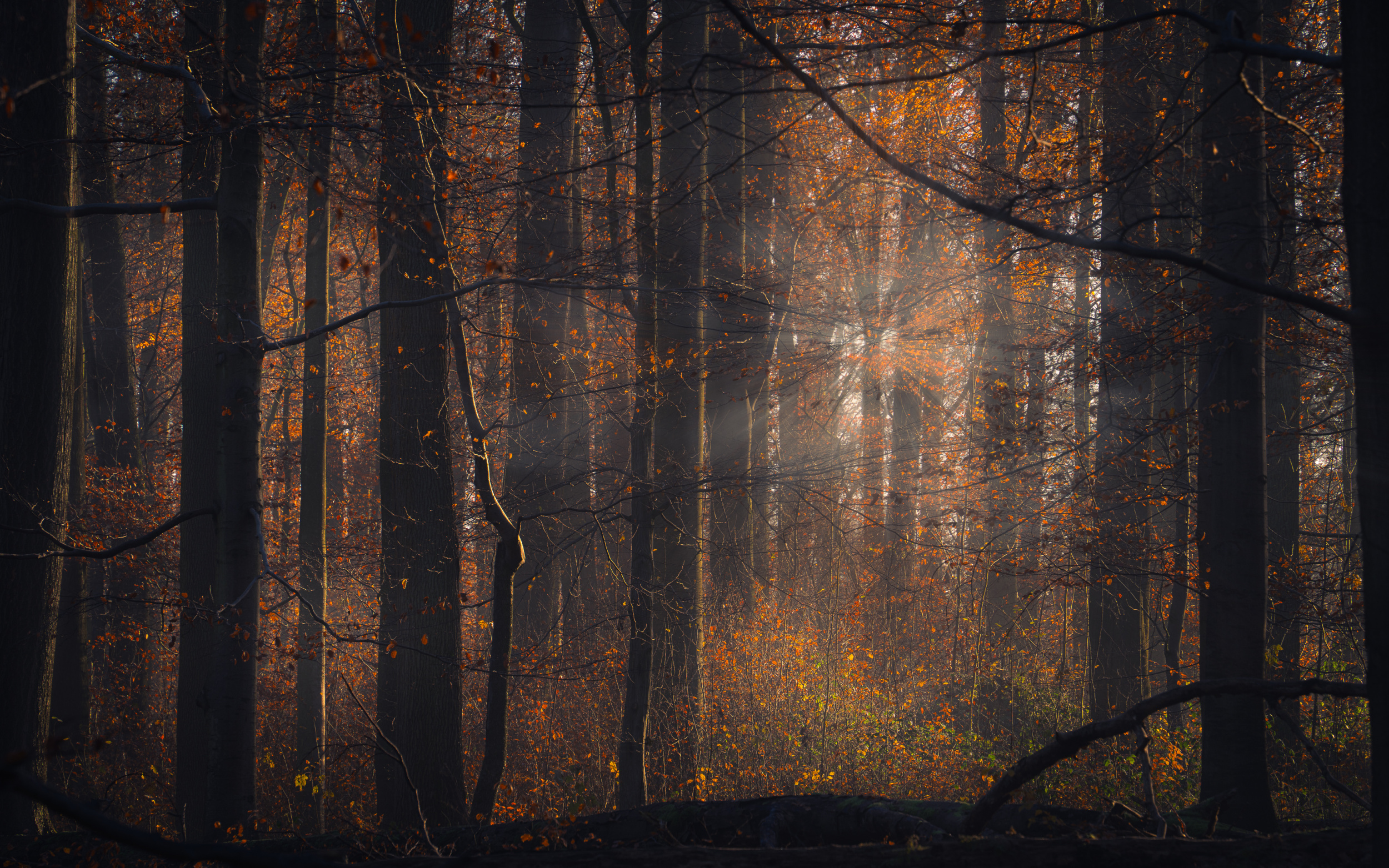
‘Woodland in the Morning’
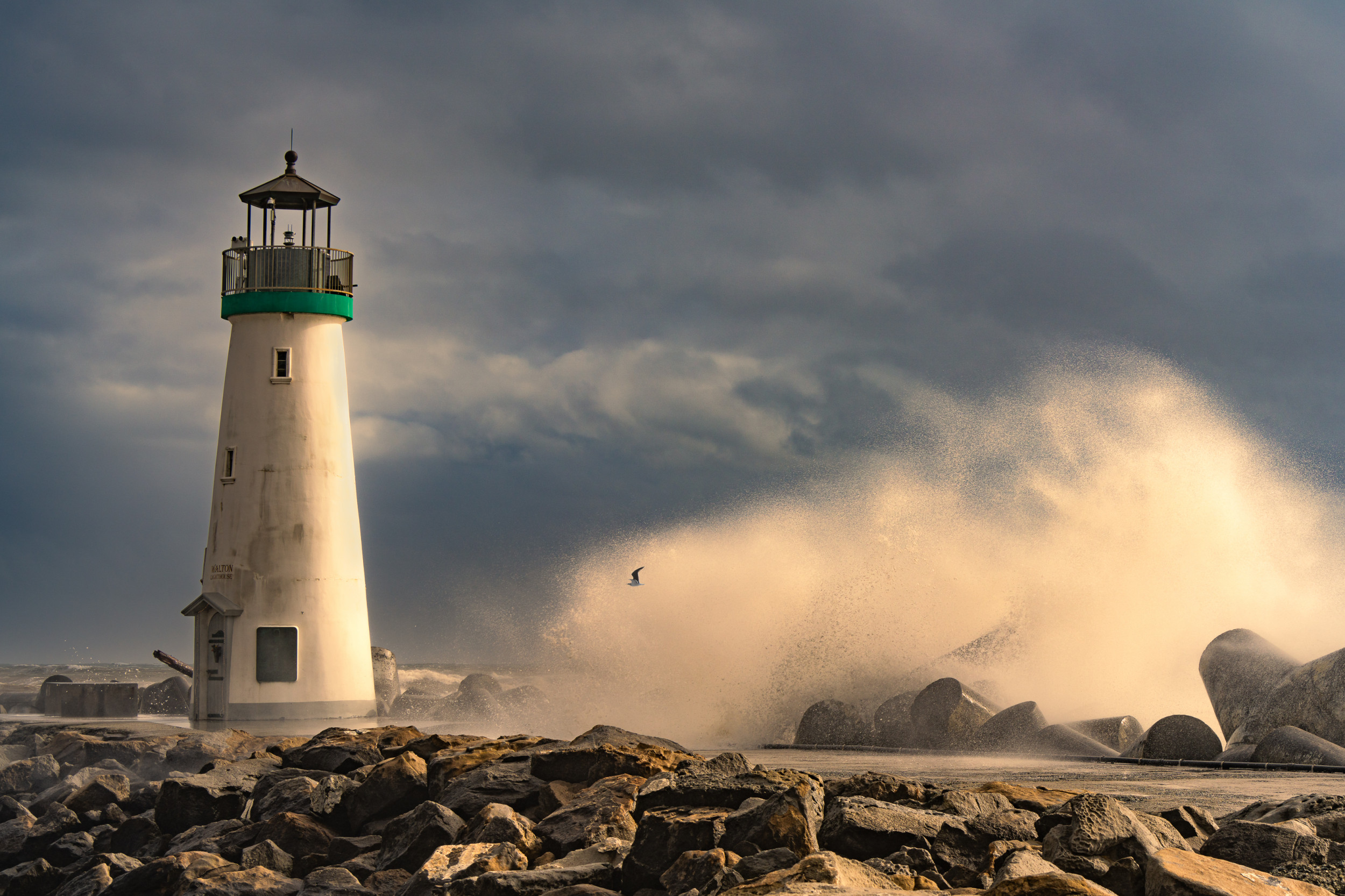
‘Walton Lighthouse’
Which is more important to you: the mood or story behind your images, or technical perfection?
Technical skill forms the foundation. Without it, an image may fall short of connecting with anyone before it even has the chance. I genuinely admire photographers who pursue technical mastery with real discipline. However, as an old Chinese saying goes, 'Superior mastery appears unassuming.' Technical perfection is a means, not an end. As a photographer matures, their pursuit shifts towards something harder to define: the emotion an image conveys and the story it tells. Ultimately, that is what connects people to a photograph, and it is the standard I am still working towards.
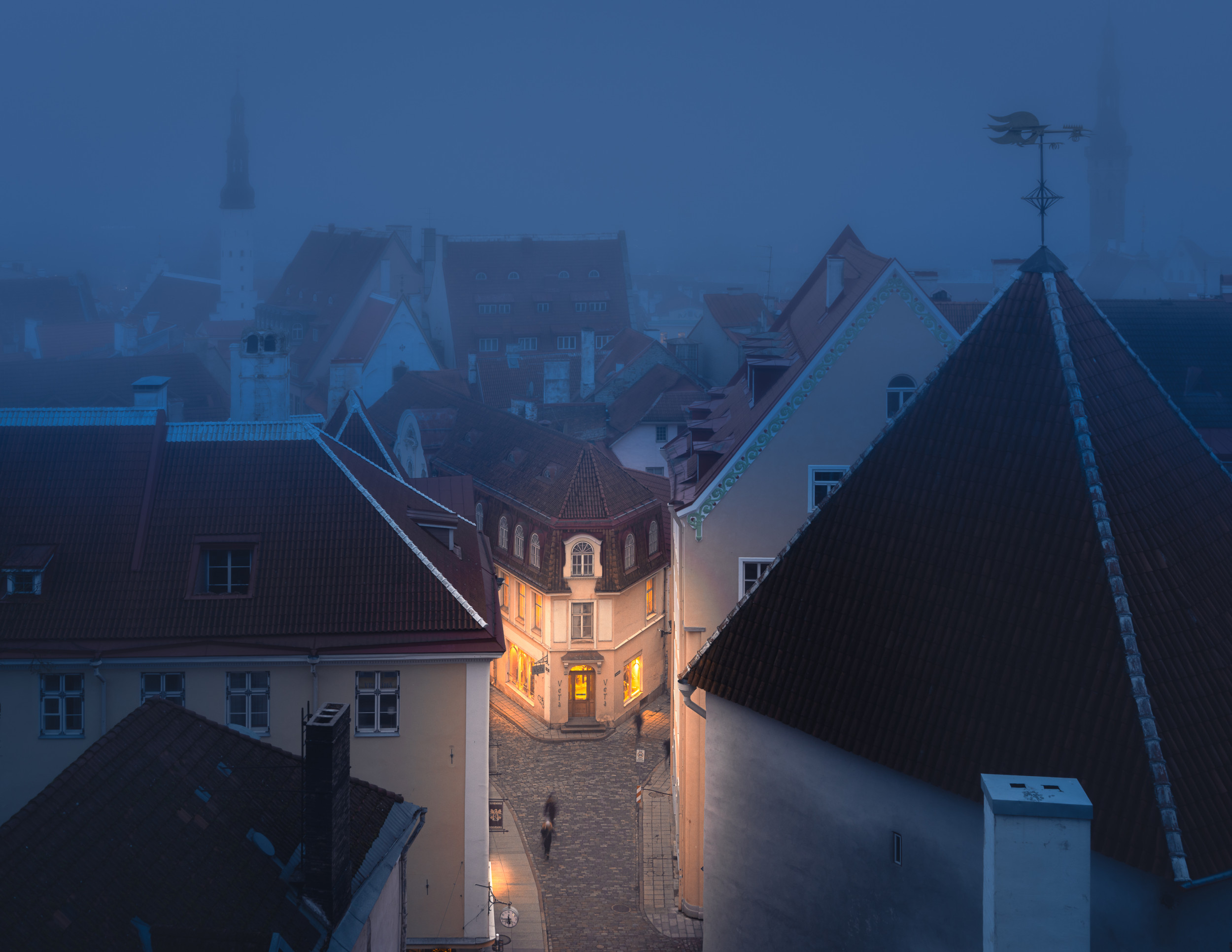
‘Winter Street’
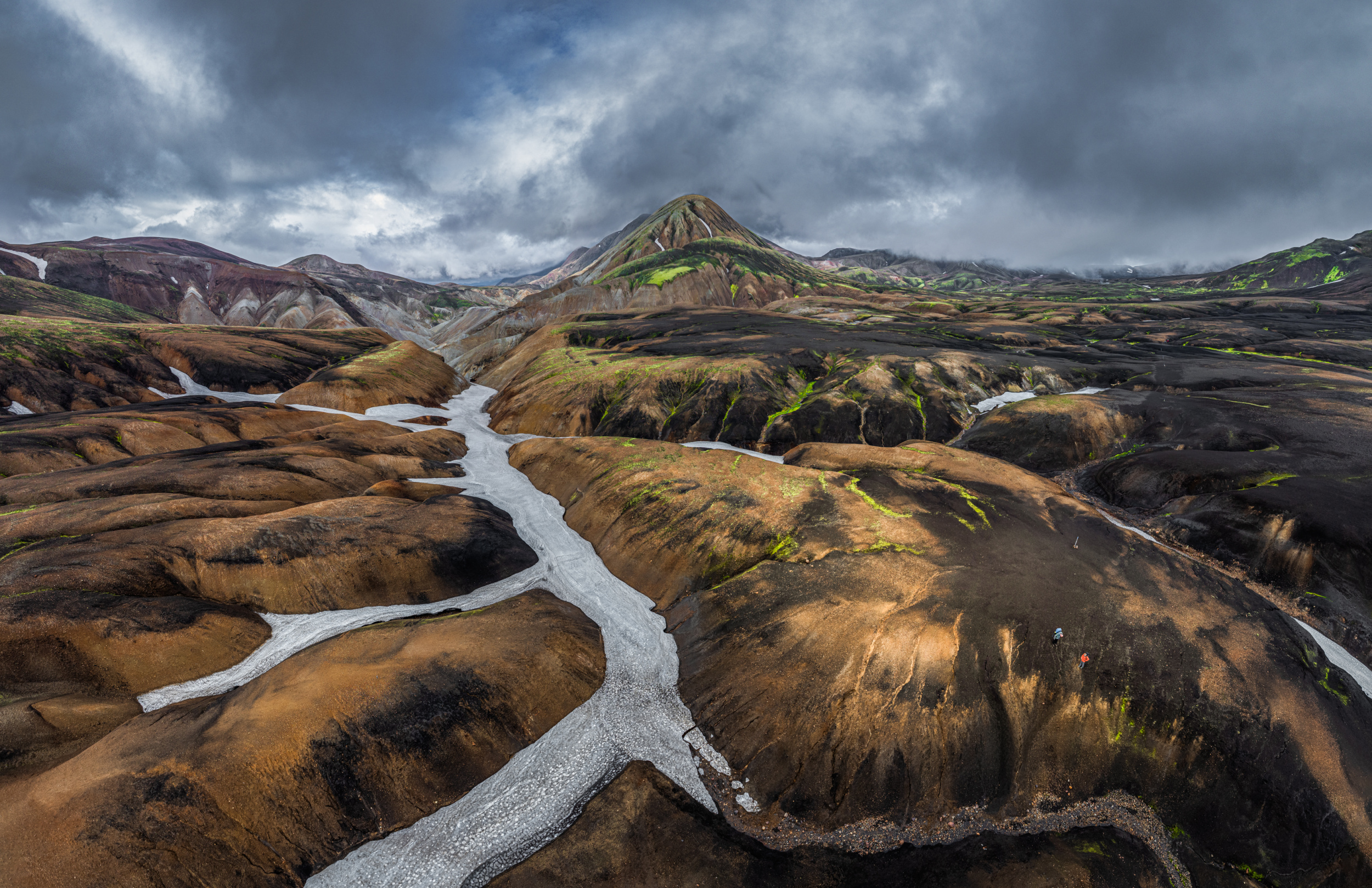
‘Rolling Terrain in the Highland’
Where do you find inspiration, and what inspires you most?
I draw inspiration from many sources. 1X is the site I visit most often; the quality and diversity of work here is hard to match. Whenever something catches my eye — whether the tone and mood, the composition or a location I hadn't considered — I bookmark it and revisit it repeatedly.
Paintings are another major source of inspiration for me. I am particularly inspired by the old masters from the Netherlands, pre-Impressionist landscape painting and Edward Hopper's work from the 20th century, which still resonates deeply with modern urban life.
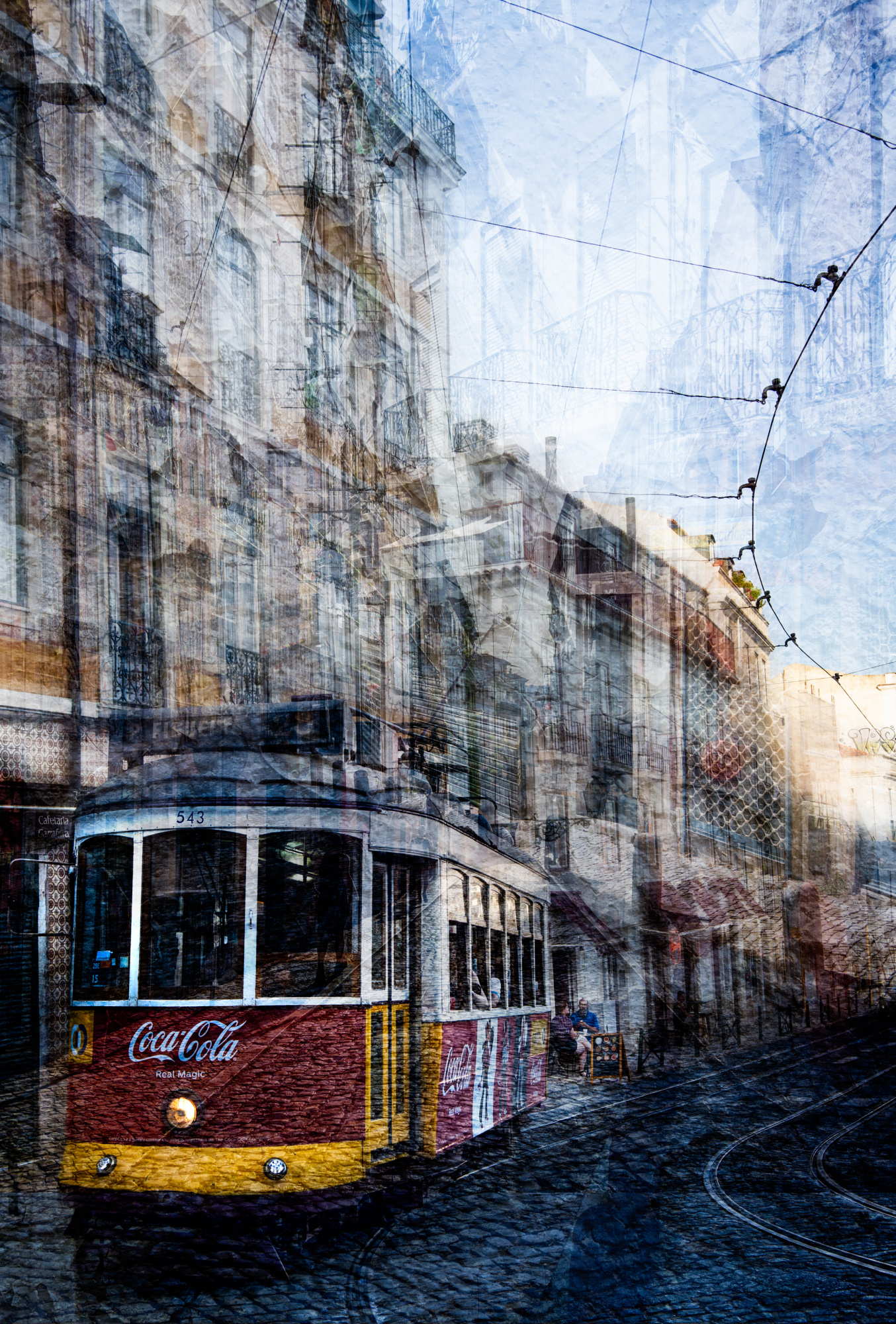
‘Lisbon Impression’
Many people believe that the right gear is unimportant if you're passionate about photography. Could you tell us what equipment you use? For example, what camera and lenses do you use, and what lighting and tripod?
I wouldn't say that gear is unimportant. Modern cameras and lenses offer photographers far more freedom than was available even a decade ago. Handling a broader range of challenging conditions has become much more feasible. On hiking trips, I have to choose lighter equipment and sometimes accept that certain compositions aren't achievable with what I'm carrying. While gear matters, it is not the ultimate factor in achieving a successful image. A skilled photographer can create something compelling with whatever they have to hand, even a smartphone.
In terms of my own kit, I use a Sony mirrorless camera and DJI drones, as well as various tripods. I think quite a bit about choosing the right tripod and camera bag for each trip.
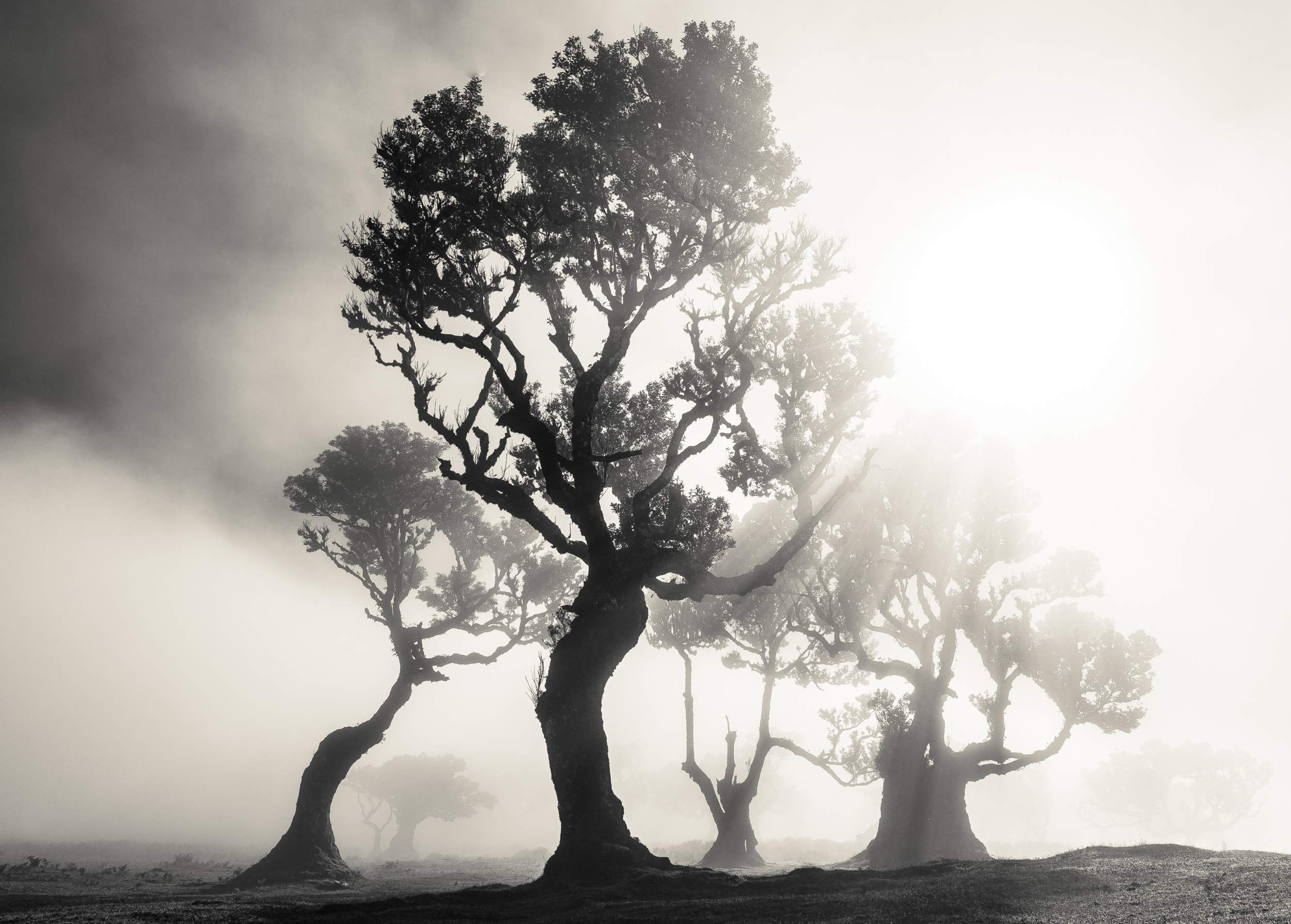
‘Lights’
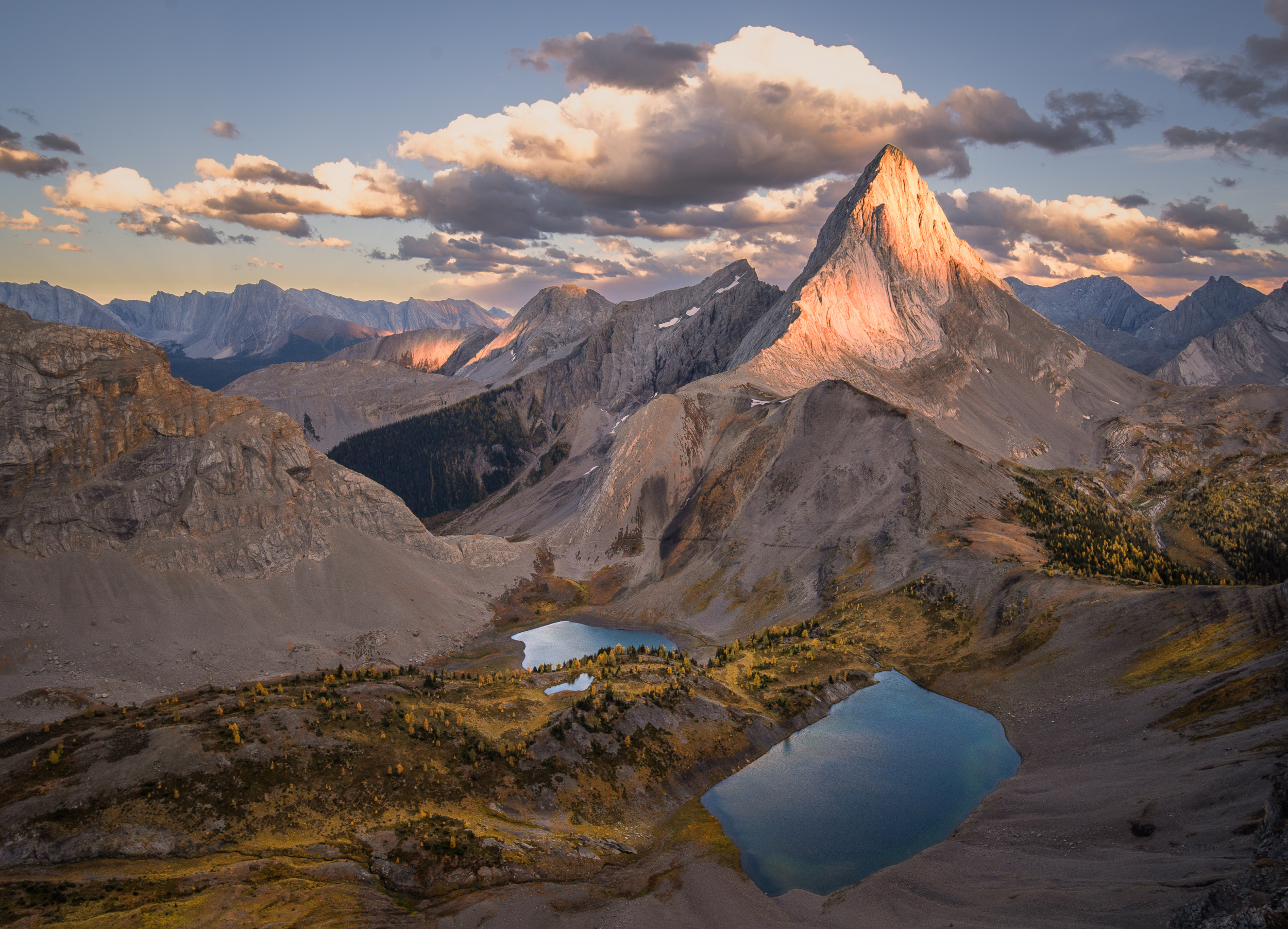
‘The Peak’
What is your favourite photo, and what is the story behind it?
Perhaps the most memorable story I have is about a photograph I didn't quite manage to take. During a trip to Patagonia, I stood beside Lake Pehoé one morning, disappointed by the heavy clouds covering the sky. I turned my camera downwards, looking for patterns in the foreground. When I looked up again, I was stopped in my tracks. A gap had opened in the eastern sky, allowing a narrow shaft of sunlight to illuminate Cuernos del Paine with a deep red hue. Overwhelmed, I reached for my tripod and knocked it over. By the time I had picked it up and cleaned the lens, the light had already faded. I didn't manage to get the shot that would otherwise have been possible.
This remains one of the most extraordinary moments I have witnessed in nature, and I often think about it as a reminder: When I reach for the camera, I must be deliberate. Don't rush.
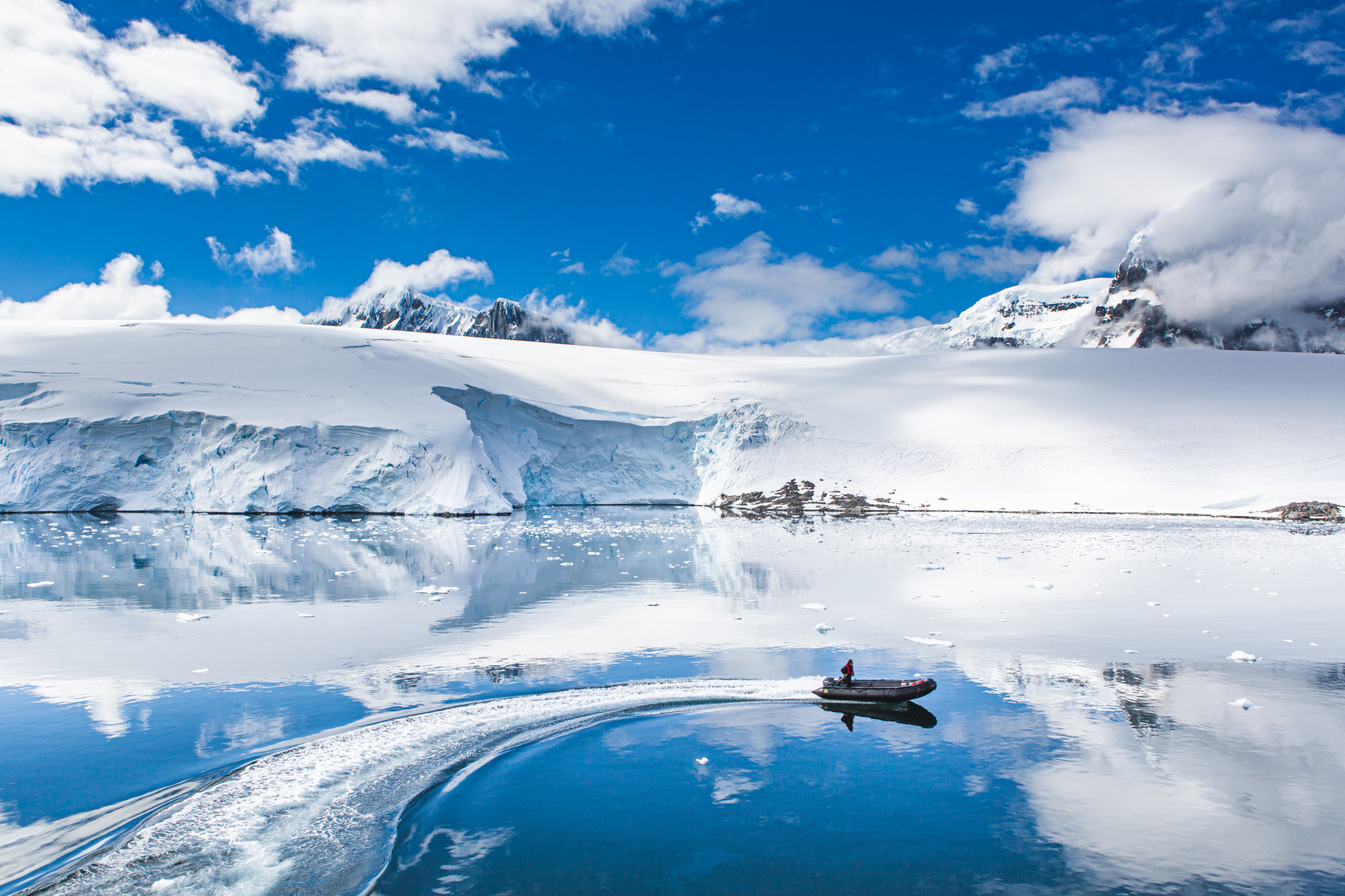
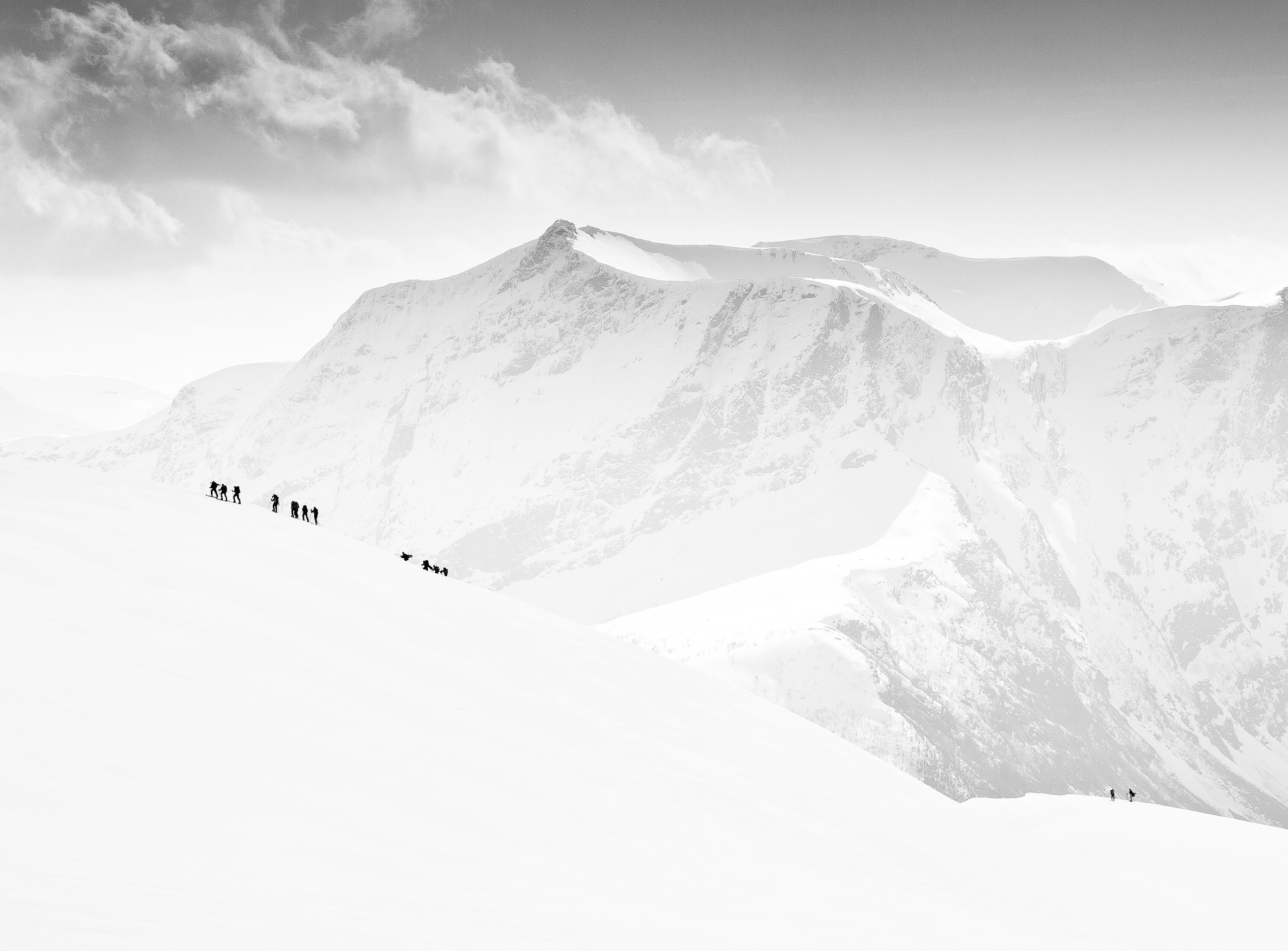
‘Snow World’
Who are your favorite photographers or mentors whose work has influenced you?
I have learnt a lot from many photographers and their work. I currently volunteer with a strong photography community. In particular, I have been inspired by the work of Larry Deng and Aidong Ning. I also closely follow the work of Yiming Hu and Bingo Z, deeply admiring their creativity and drive for perfection.
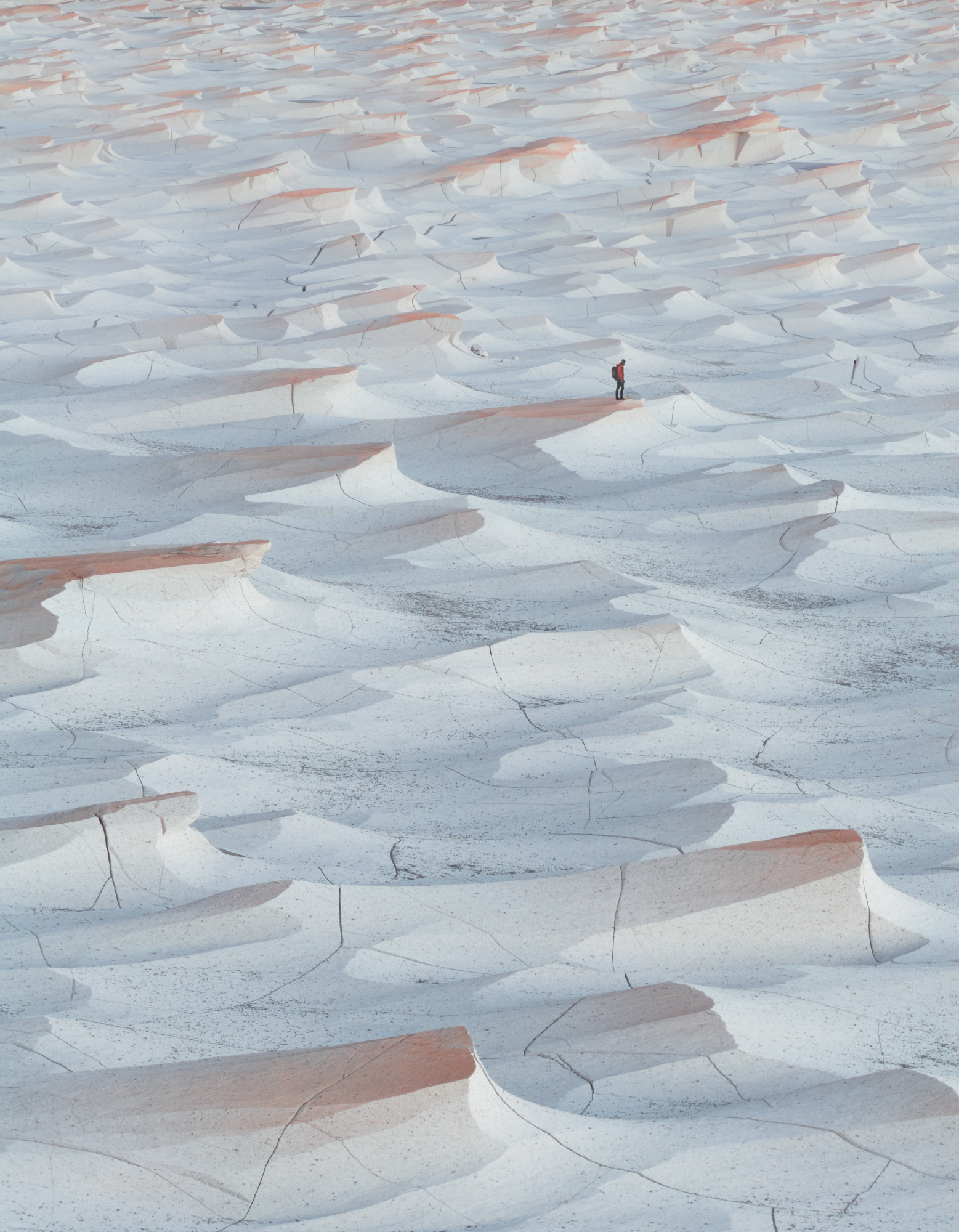
‘Frozen Waves of the Andes’
As this interview is coming to an end, could you tell us about any photography projects you would like to be involved in?
One area I have already started to explore is video. Sometimes it is used as a travel record and sometimes as a way to present photographs from a trip. Although video is a natural extension of photography, it operates by different rules. It requires the combination of music, sequencing, pacing and narrative within a few minutes of content. I find this very engaging.
Another idea I have been considering for some time is moving beyond the single image and working with a series of photographs to explore a subject or develop an idea over time. A well-constructed series can achieve a depth of storytelling and viewer engagement that a single image rarely can. This approach demands more in terms of planning and long-term commitment to a concept.
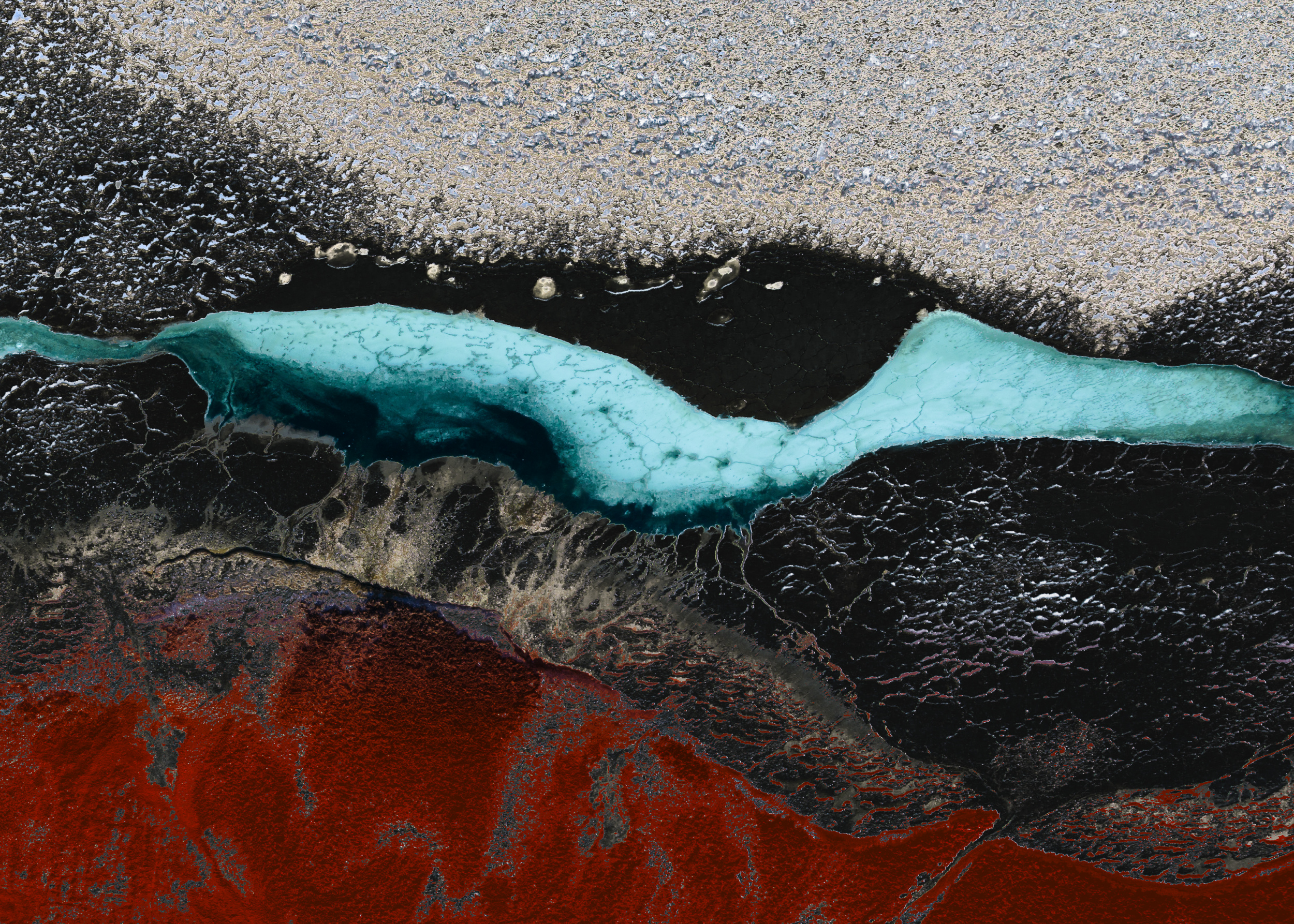
‘Salt Flat Abstraction – Fault’
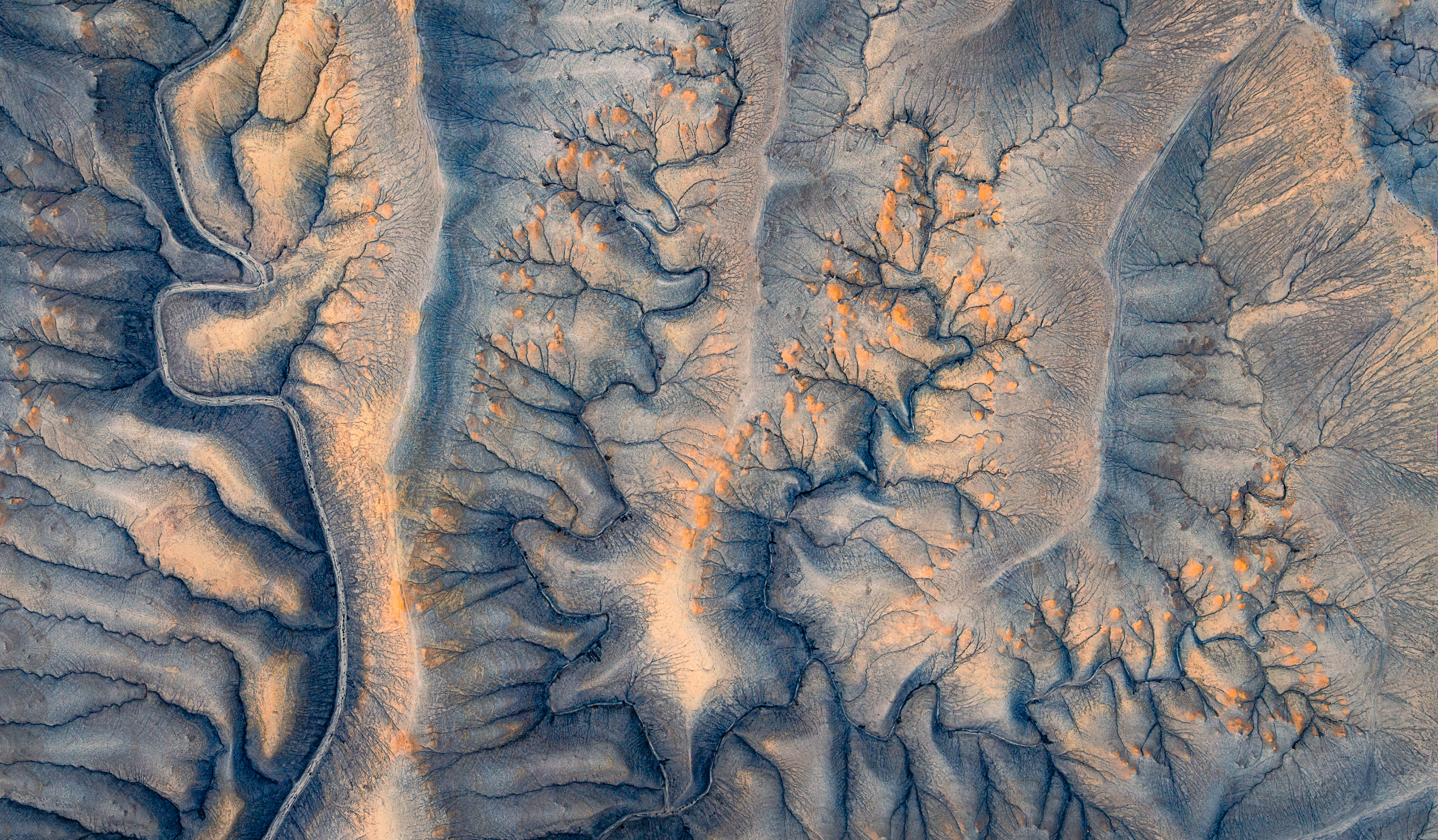
‘Branches of Time’
Is there anything else you would like to add? What are your thoughts on using 1X to showcase your work?
I am honoured to have my work presented alongside the work of so many excellent photographers on 1X. Although I joined relatively recently, 1X has played a meaningful role in my development as a photographer. What draws me most to the platform is the remarkable range of work it showcases, from photographers with different cultural backgrounds who work in distinct styles. Engaging with this diversity continually broadens my perception of what is possible in photography and shapes how I think about my own work.
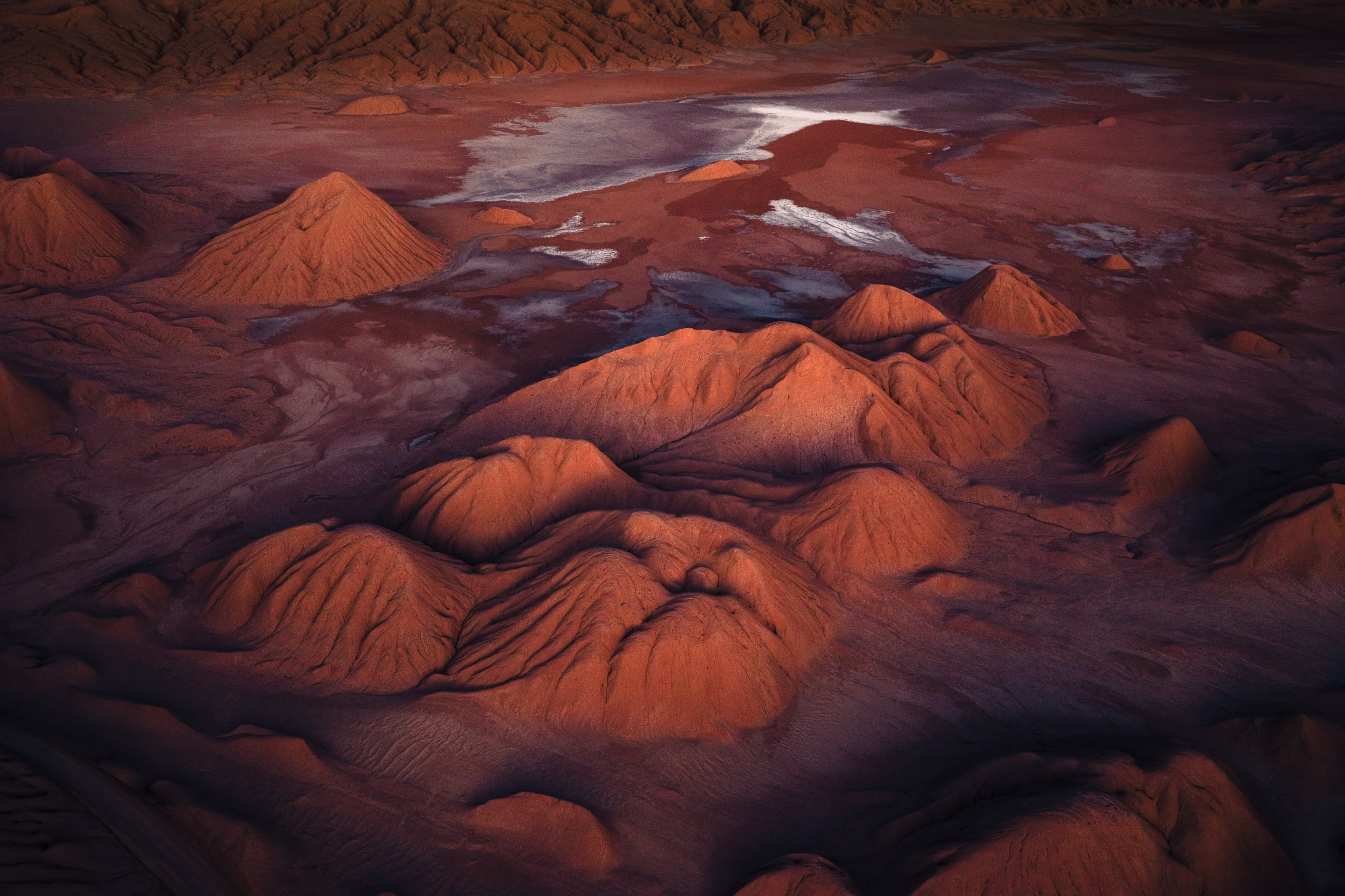
‘Hills of Dawn’
 | Write |
 | AGNIRIBE PRO Amazing photography , impressive and creative work ! |
 | Gary Duan PRO Thank you, AGNIRIBE. |
 | Jay Satriani PRO I really enjoy your extraordinary work. Congratulations, Gary, and thank you to a good friend ...Yvette Depaepe. |
| Gary Duan PRO Intense and bold, what an excellent portfolio you created. |
 | Wayne Pearson PRO Inspirational work Garry, with stunning results, thank you. And thank you over and over again to Yvette! |
| Gary Duan PRO Thank you, Wayne. The bold colors and attention to details in your images are the testimony of why we come to 1x. |
 | Rahul Misra PRO Inspirational! |
| Gary Duan PRO Thank you for your kind support, Rahul. |
 | Gordon Zang PRO
戈登·赞
我们相识的那一次时是我刚开始拍照片不久。我从你的照片里慢慢了解你,你总是让我惊喜,给我不少启发,向你学习。
|
| Gary Duan PRO 很喜欢你的照片中微妙的色彩。希望有机会再同行。 |
 | Liz Fang PRO Congratulations, Gary! Very impressive interview and beautiful images. Well deserved! |
| Gary Duan PRO Thank you, Liz. |
 | yein PRO The wondrous beauty of nature is conveyed
Gary Duan draws inspiration from interview writing and photography
Thank you to Yvette as well for creating such a wonderful interview |
 | Yvette Depaepe CREW All credits go to Gary, Yein ... Glad to present him in the magazine! |
| Gary Duan PRO When I looked at your portfolio, the way you handle the water instantly captured me. Thank you. |
 | Yun Thwaits PRO Congratulations Gary! What a wonderful collection of amazing images! Thank you dear Yvette for another great interview! |
| Yvette Depaepe CREW Always a treat for me (the magazine) to present such excellent photographers, Yun! |
| Gary Duan PRO Thank you, Yun. I like the diversity of your portfolio. |
 | DonnaHom APA PRO A splendid collection of landscape, architecture, drone, journalism and creative edit images. Wholeheartedly congratulations Gary. Well deserved the publication. Thank you editor Yvette for your hard work as always. |
| Yvette Depaepe CREW Thank you for your neverlasting appreciation, dear Donna ♥ |
| Gary Duan PRO Thank you, Donna. |
 | kevinduffus Congratulations! Love your art. |
| Yvette Depaepe CREW Many thanks, Kevin. |
| Gary Duan PRO Thank you, Kevin. |
 | Mei Zhang PRO Congrats, Gary! Impressive works! Still remember that in the photography trips, you were always the first one jumped out of the car and eager to “hunt” the perfect images. You walked more than anyone else trying to find the perfect camera location, up and down the hills and cliffs…all the extra efforts were paid off! Kudos to you! |
| Yvette Depaepe CREW Thanks Mei, for telling us this ... I think Gary is an excellent but humble photographer ;-) |
| Gary Duan PRO Thanks, Mei. What I heard is you are a sleepless photographer. :-) |
| | Yaping Zhang PRO 恭喜您!感谢老师分享精彩纷呈,引人入胜的杰作。收藏了!非常感谢Yvette! |
| Yvette Depaepe CREW Many thanks for your appreciation, dear friend! |
| Gary Duan PRO Thank you, Yaping. |
 | YANGYING PRO Congratulations! |
| Gary Duan PRO Thank you, Yangying. You have a unique way to Handel colors, I like it very much. |
 | Angelika Vogel PRO A wonderful selection of diverse themes and photographic, artistic execution! Congratulations and many thanks for this inspiring portfolio Gary and thank you very much to Yvette ! |
| Yvette Depaepe CREW All credits go to Gary here, dear Angelika. Thanks for passing by, mdf! |
| Gary Duan PRO Thank you, Angelika. |
 | Roland M Schwerdtfeger PRO A really impressive ind inspiring portfolio of landscape images. Thanks to Yvette an to you for the interesting interview! |
| Yvette Depaepe CREW Thank you, dear Roland! |
| Gary Duan PRO Thank you, Roland. |
 | Larry Deng APA PRO Congratulations, my friend Gary.
Very impressive collection of images . Your fantastic photos are a real source of inspiration. Thank you dear Yvette for another amazing interview! |
| Yvette Depaepe CREW Thanks a lot, Larry ... Congratulations to you to for being mentioned as a source of inspiration to Gary! |
| Gary Duan PRO Thank you, Larry, for your support and leadership. You are a true artist. |
 | Aidong Ning PRO Congratulations Gary! Such a wonderful collection of expressive images with diversity and depth! Thank you dear Yvette for another amazing interview! |
| Yvette Depaepe CREW Thanks for your appreciation, dear Aidong! And congratulations for being mentioned in Gary's answers ;-) |
| Gary Duan PRO Thanks, Aidong, for introducing me to the group. Your imagination and technical perfection is at the different level. |
 | Ruiqing P. PRO I smiled when I read about your unforgettable moment and the story in this interview—I’ve had similar experiences myself. Nature always seems to leave us with a little regret, perhaps just enough to keep us coming back and exploring. Congratulations on this wonderful 1x interview—so well deserved! |
| Yvette Depaepe CREW So well said, Ruiqing. Thanks in the name of Gary ;-) |
| Gary Duan PRO Thank you, Ruiqing, to put the story in a positive context. It's why we love the nature. |
 | Michael Zheng PRO Very impressive. Congratulations! |
| Yvette Depaepe CREW Thanks a lot, Michael ! |
| Gary Duan PRO Thank you, Michael, for your encouragement. |
| Gary Duan PRO Thank you, Michael, for your encouragement. |
 | Molly Fu (APA) PRO Very impressive Interview, beautiful images, congrats Gary!!! Thanks dear Yvette for another excellent photographer to present! |
| Yvette Depaepe CREW Thanks for your neverlasting appreciation, dear Molly! |
| Gary Duan PRO Thank you, Molly. Your creative images are my inspirations . |
 | Svetlana Povarova Ree PRO Congratulations, dear Gary, on a very interesting interview! Your fantastic photos are a real source of inspiration. I’m very impressed. Many thanks til Yvette! |
| Yvette Depaepe CREW my pleasure, dear Svetlana ;-) |
| Gary Duan PRO Thank you, Svetlana. |