

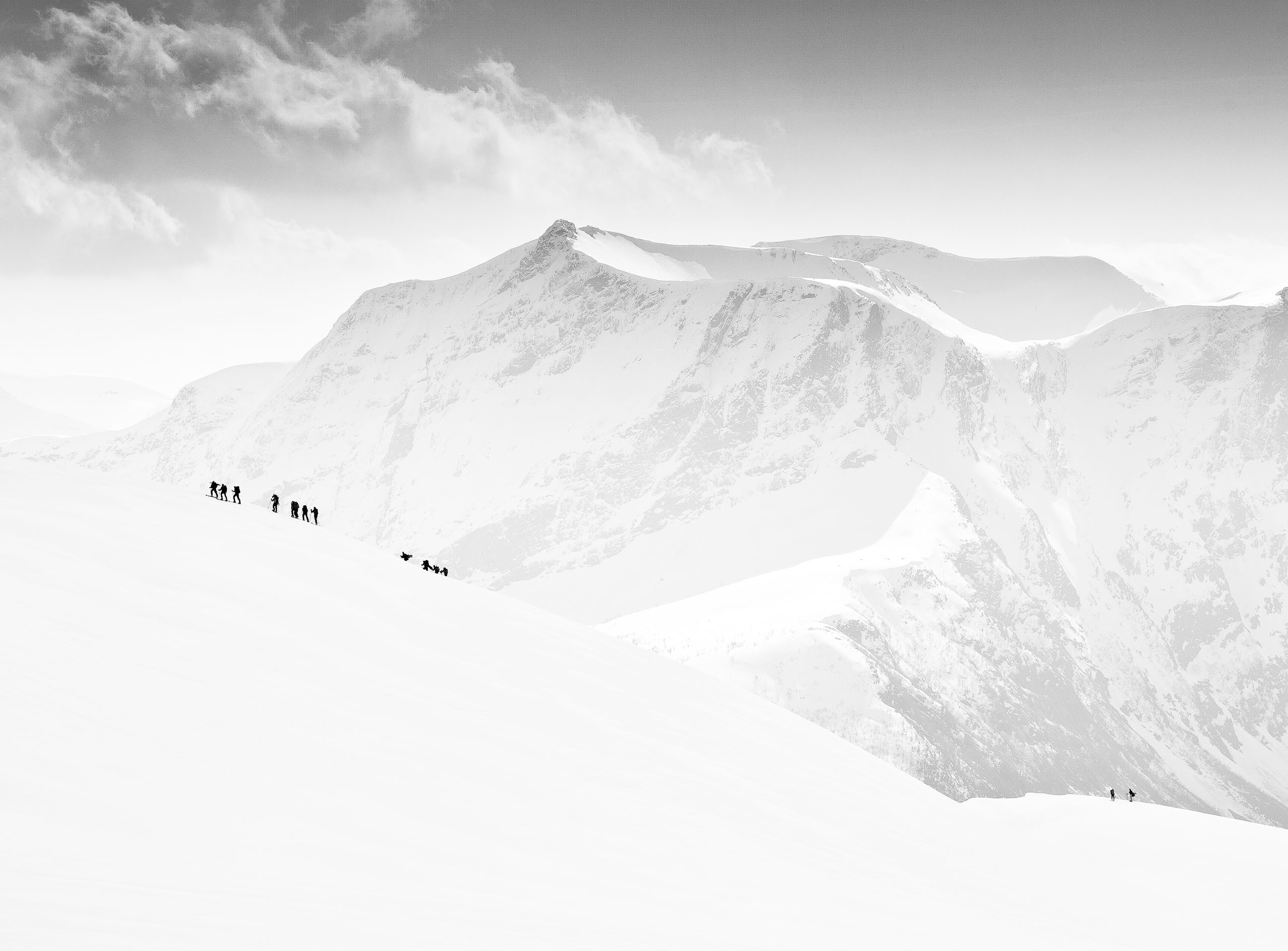
|
|
|
|
by Yvette Depaepe
Published the 9th of November 2026
For Serdar Bayram, street photography captures the unpredictable ebb and flow of everyday life. It is the unexpected that he finds so attractive. Find out more about the man behind the photographs in this interview.
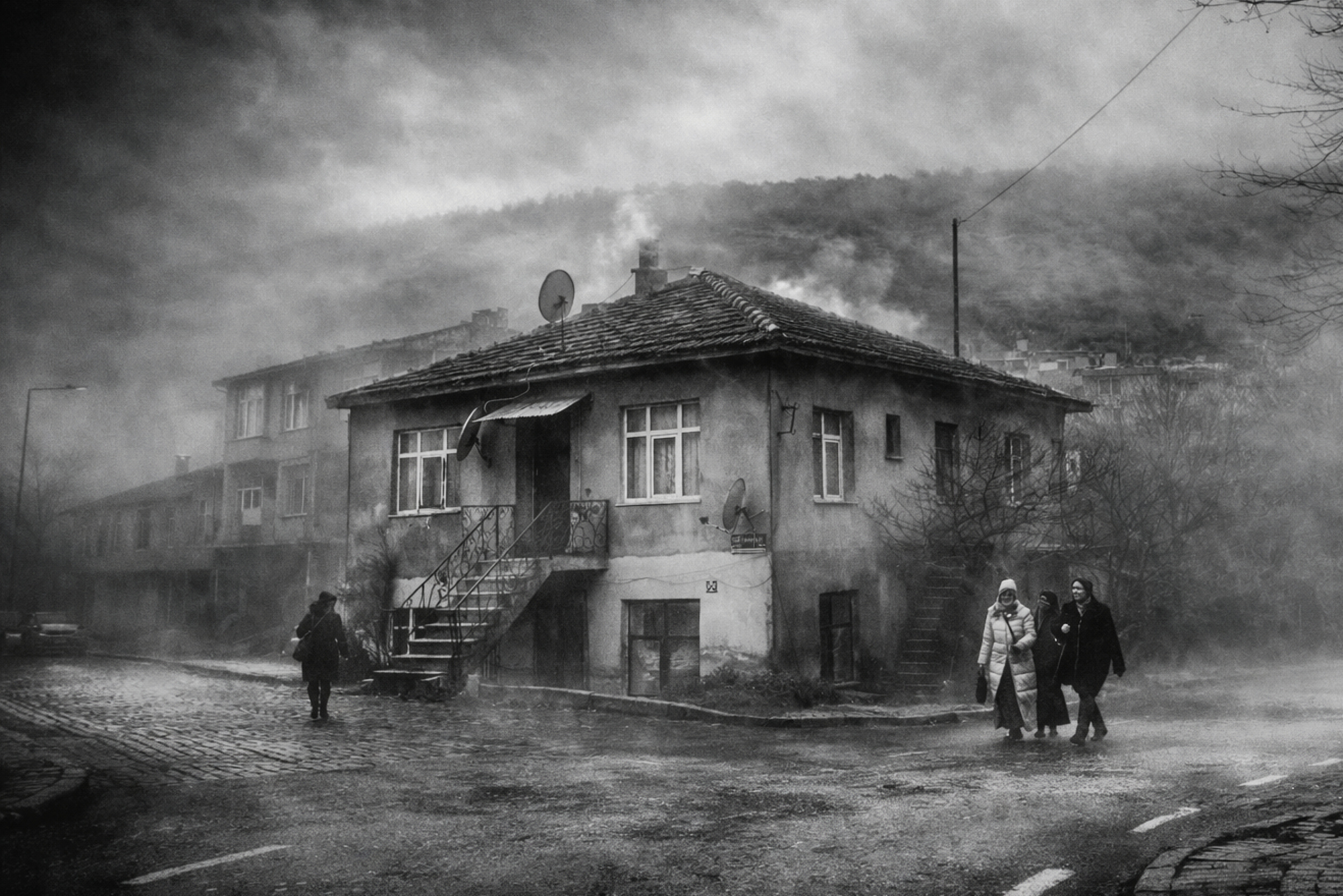 “sis”
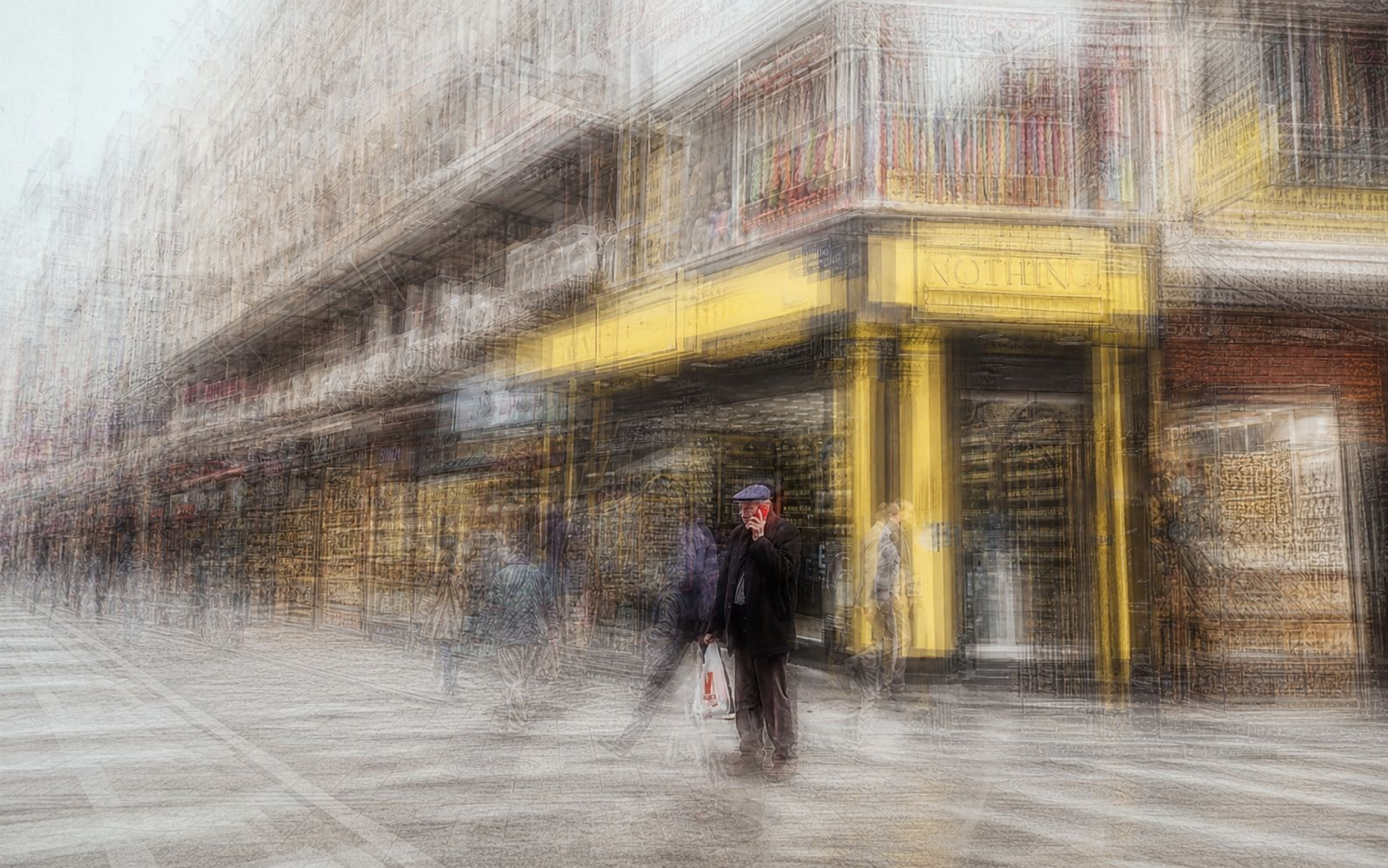
“red telephone”
Your monochrome work has strong contrasts of light and shadow. What do you want to express through street photography?
To me, street photography means capturing things that catch my attention. It's my way of doing things. When I'm out and about, I take in not only the people passing by, but also the surrounding architecture, the weather, the light, human movements, and a good dose of chance. Every moment is vibrant and represents a scene. The allure, gestures and tones pull you in. I capture these scenes in black and white, and sometimes in colour too. Light and shadow create an ornament; sometimes an object is hidden and sometimes it is visible, bringing together two separate worlds within the same frame. A powerful photo shows us what we see and makes us look again and again to discover more.
What first attracted you to photography?
My photography and my relationship with architecture are inseparable. Street photography captures the unpredictable ebb and flow of everyday life. It is the unexpected that I find so attractive. While I can prepare for the light, the space, and the possible relationships between things, I can't plan for those unexpected moments. Street photography has taught me to observe and discover, but I never know what I'll see, and that's what makes it so fascinating.
In your opinion, what makes a memorable street photo?
Street photography is excellent when it is taken accurately or expertly framed. It is also visually striking if it tells a story. Technical quality is important, of course, but the viewer must be drawn in by the mood and the story. A good street shot should continue to have meaning and relevance.
What is your general photographic approach? How would you describe it?
There is order within order, movement within geometry and a large space within people's fragile existence. The scheme remains open on the street. Whether I choose black and white or colour is not that important. The frame should be as I want it to be, but the viewer's perspective should also be considered. The most important thing is the impression and impact that my images leave.
What is the most important in street photography, the mood or technical quality?
I don't believe we can separate the technical quality from the mood and content. Technical quality enables language to be clear and tangible, while content is all about emotions. Composition and other image processing techniques embellish images and help us to better understand their meaning. Subjects, light, space and timing all come together to give a photo its own voice.
What would you like to share with the audience through your work?
I would like the audience to pause for a moment. It's important to take a moment to free yourself to see and think. Every frame has a story to tell, and I will leave it to you to discover it. Sometimes it reflects transience, sometimes loneliness, and sometimes the hidden poetry of an ordinary street. I want to capture all of these things.
When you first started out with street photography, what challenges did you encounter? What would you recommend to new beginners?
The challenges lie in trying to learn and understand. The equipment and technical settings are not essential. My advice to beginners is to go for walks often and take lots of photos. Go back to the same places at different times of day to see how the light has changed. If you are photographing people, ask their permission and show them respect. Achieving a good image involves much more than just pressing the button.
What direction do you want to take your photography in the future? Do you have any new projects?
I want to continue broadening my understanding of photography. I want to develop my use of black and white while continuing to capture the colour of the scene. Self-expression is essential to me. As well as sharing information, I would like to have constructive photographic discussions. I don't believe that learning has a finish line; the practice of photography is a continuous learning process.
What was your experience of discovering 1x, and what are your thoughts on it as a platform to showcase your work?
I came across 1x on social media and was amazed by the quality of the images. Rather than getting lost in a sea of images, 1x correspond to what I was looking for. The gallery of curated images captured my attention, showcasing excellent photographers from around the world. Looking at their work has enhanced my learning experience. 1x is an endless source of inspiration and a place open to change and development.
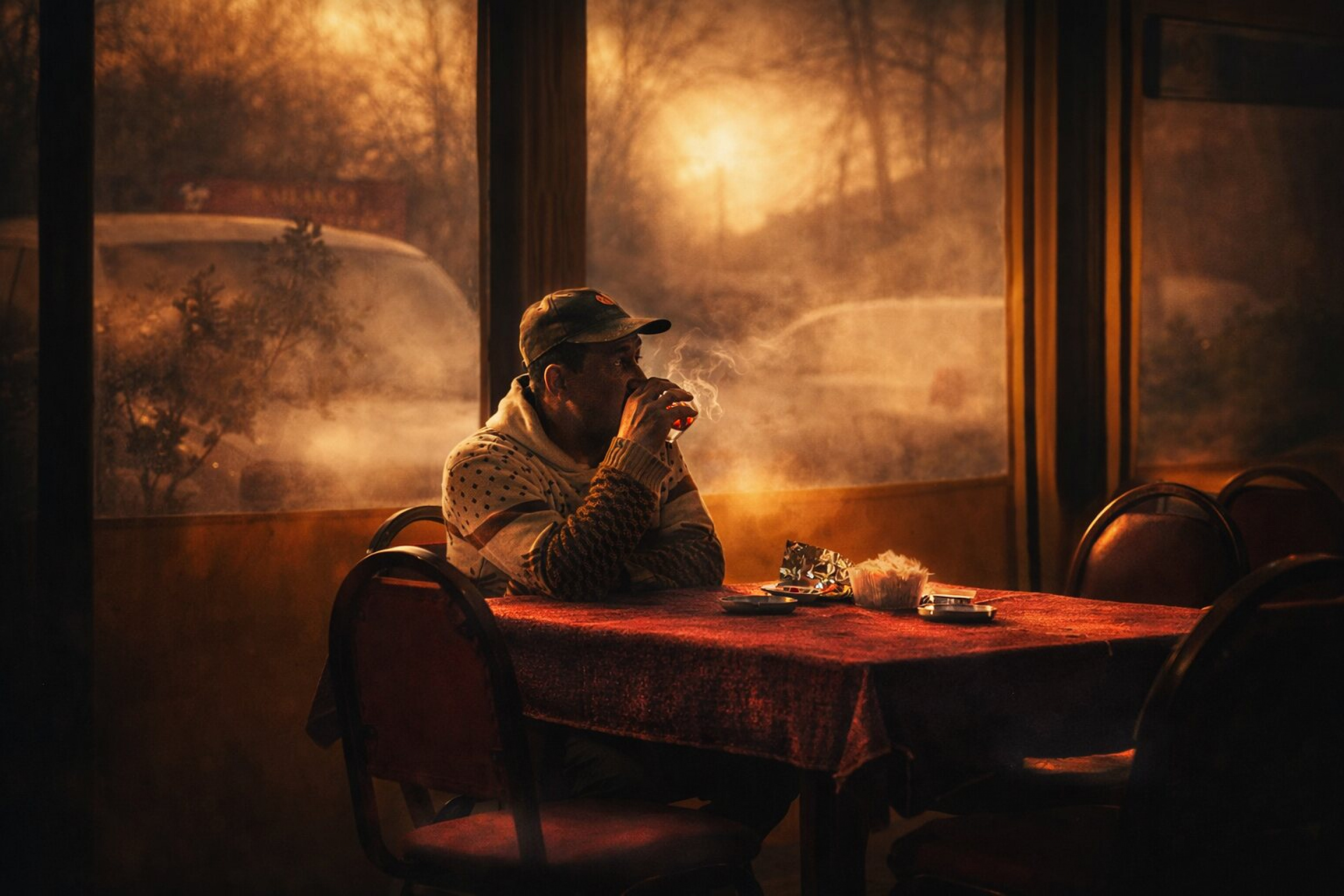
“orange”
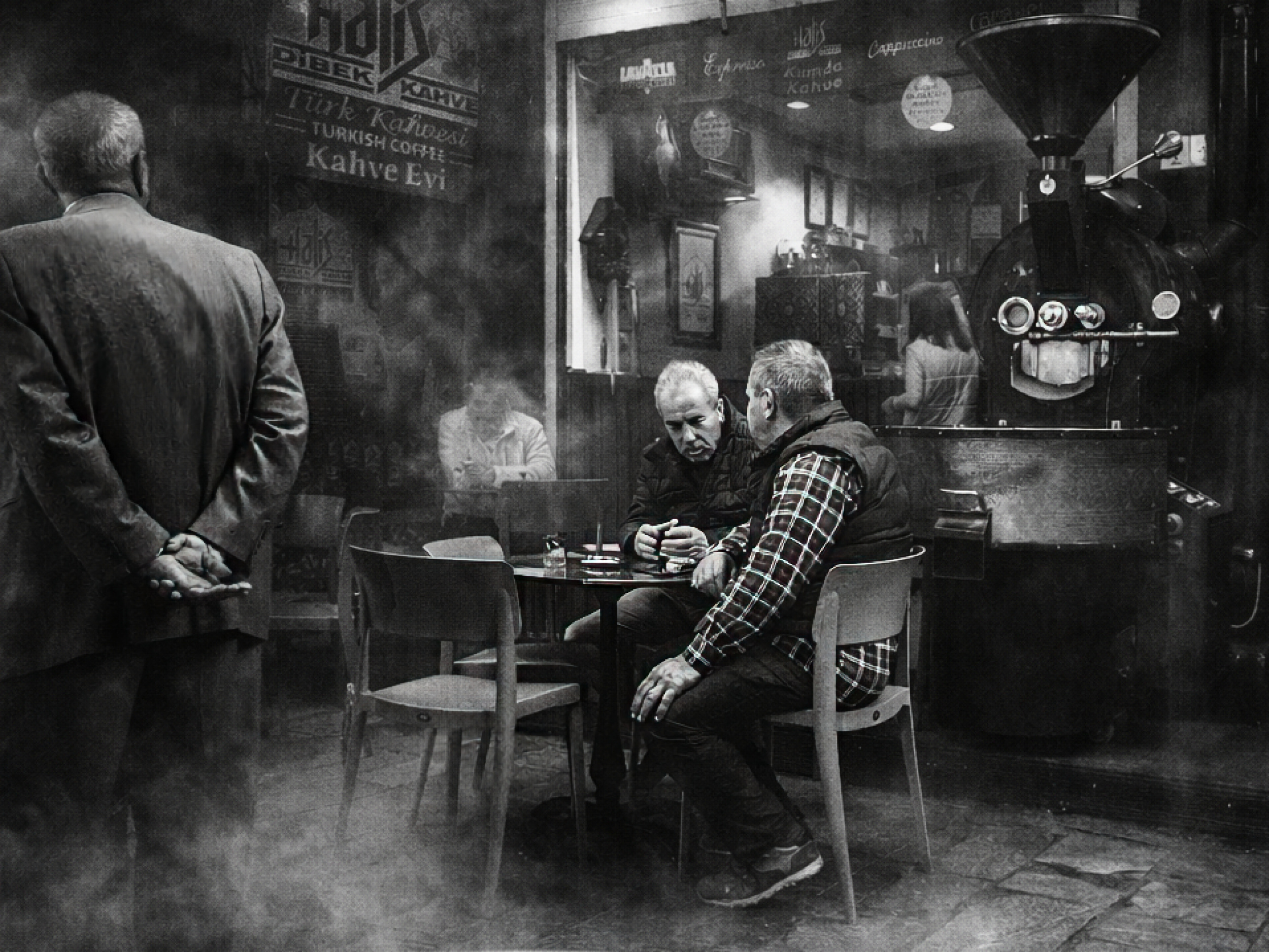
“grinding coffee”
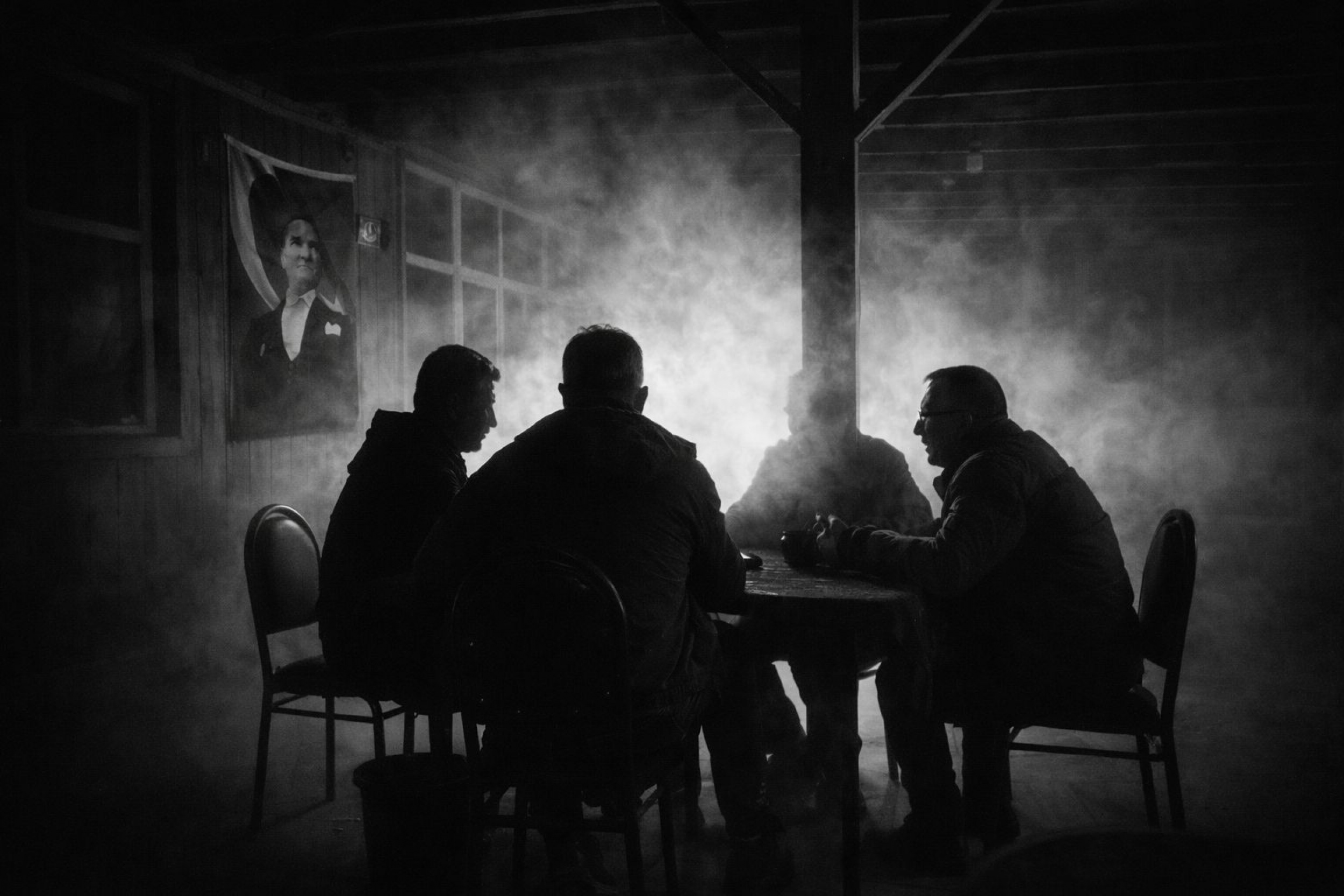
“quad”
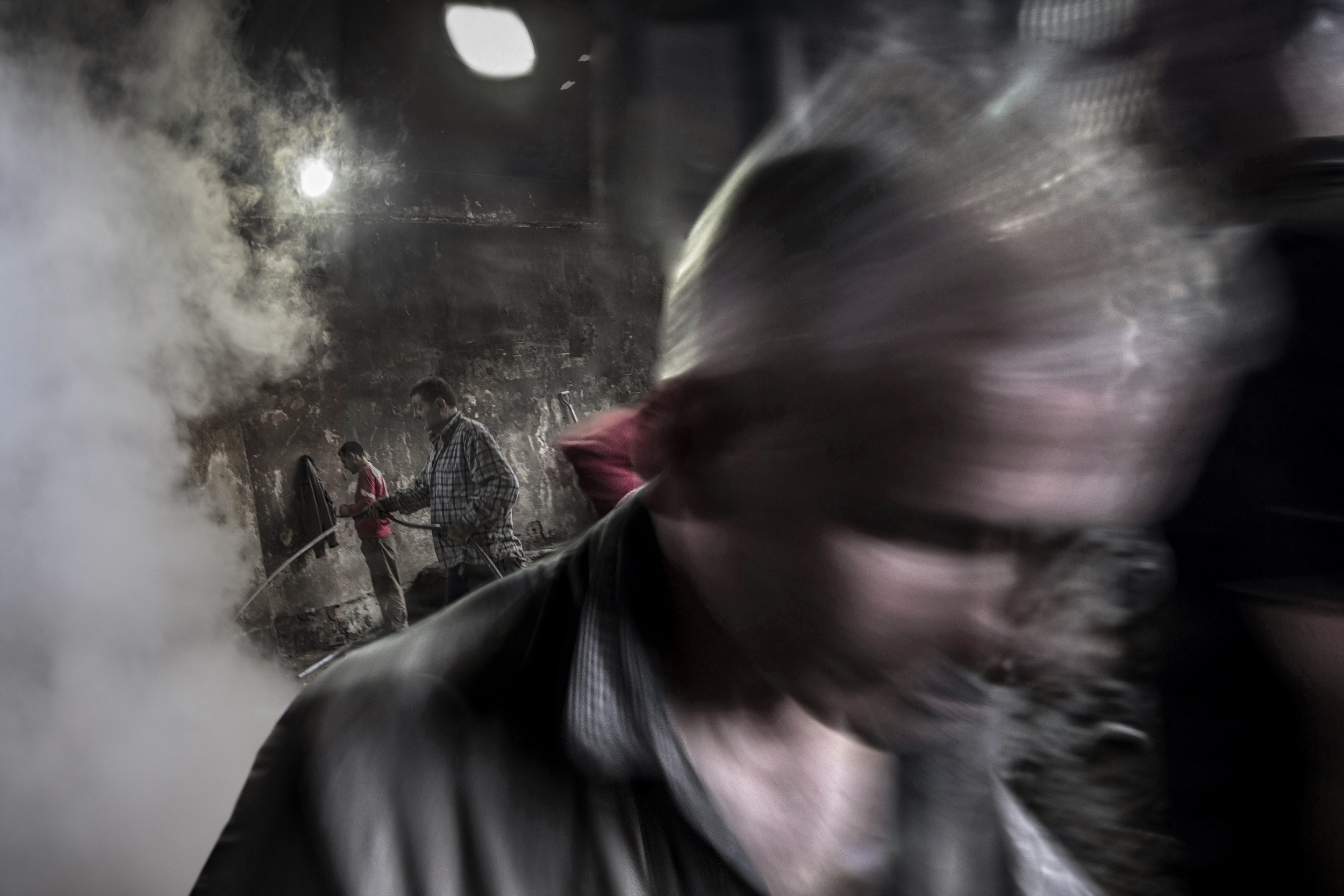
“hot”
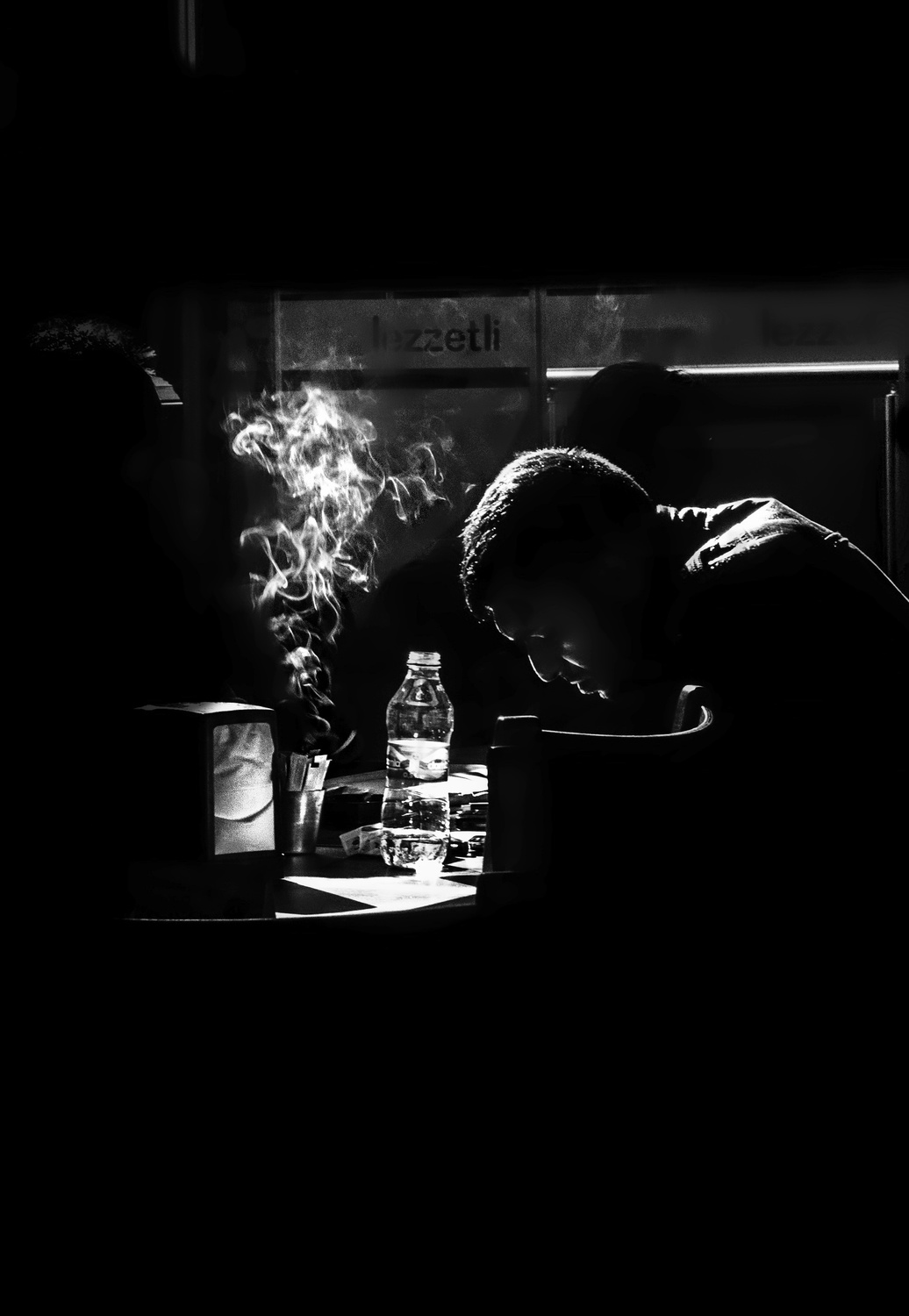
“c a f e”
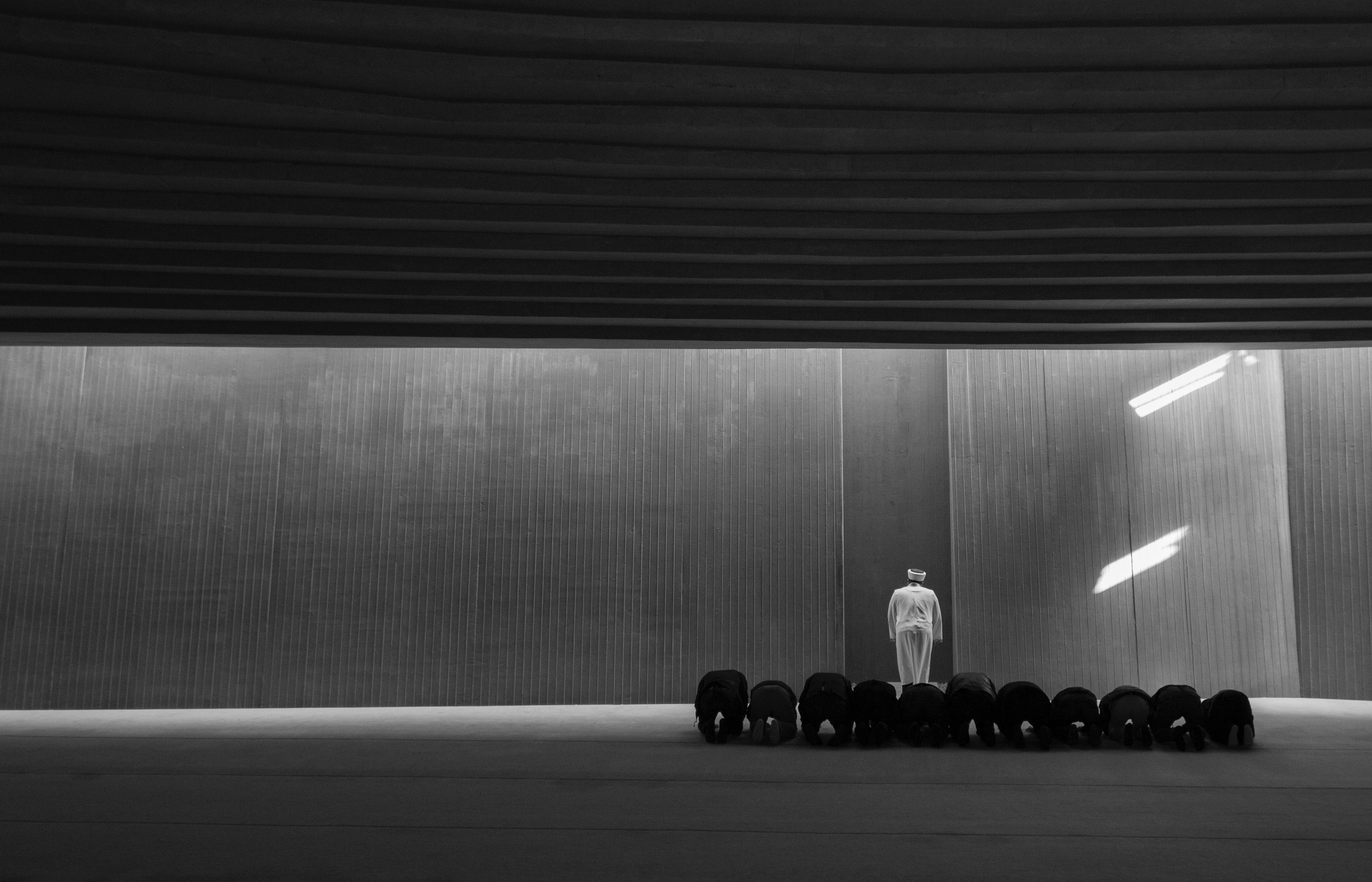
“white”
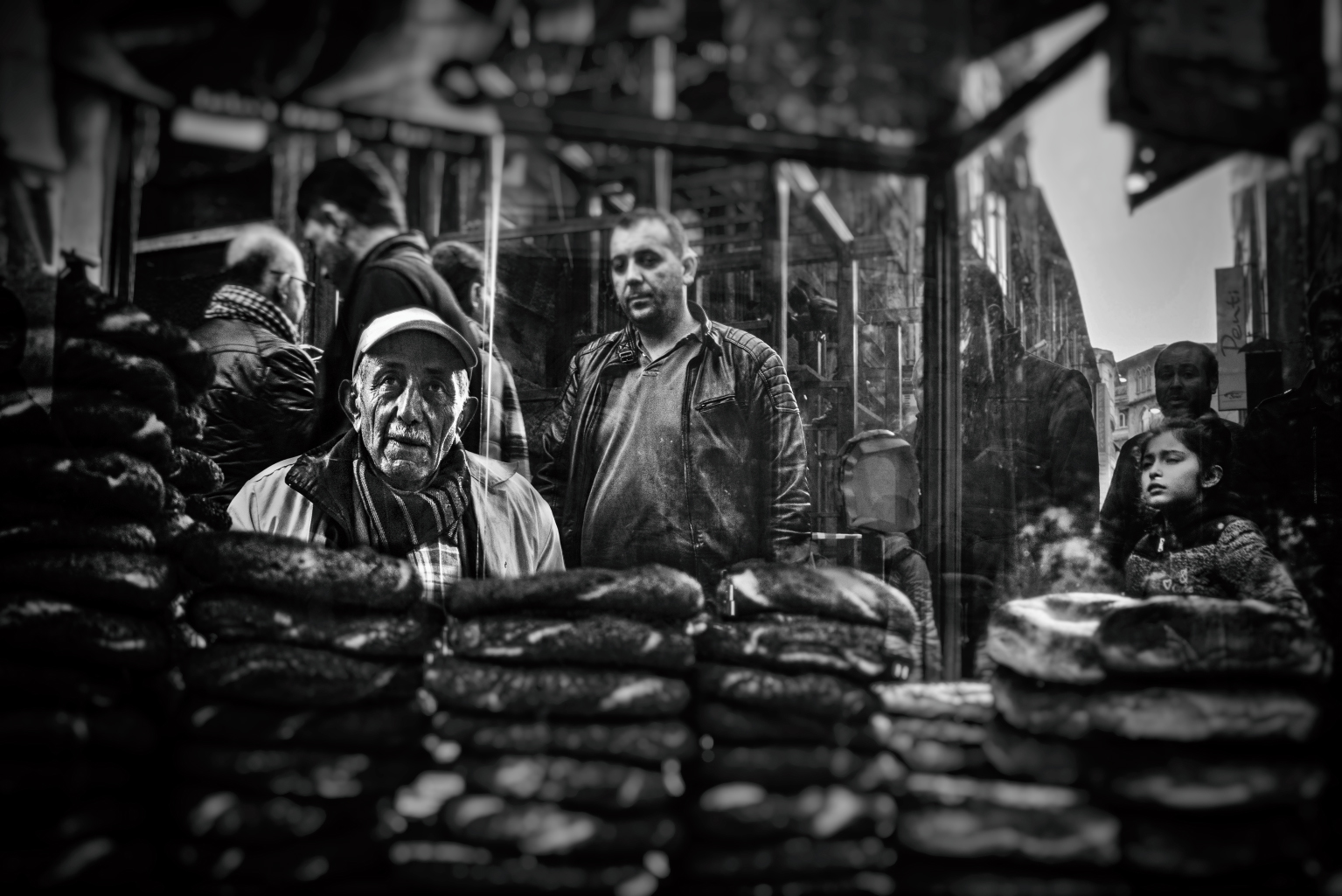
“life”
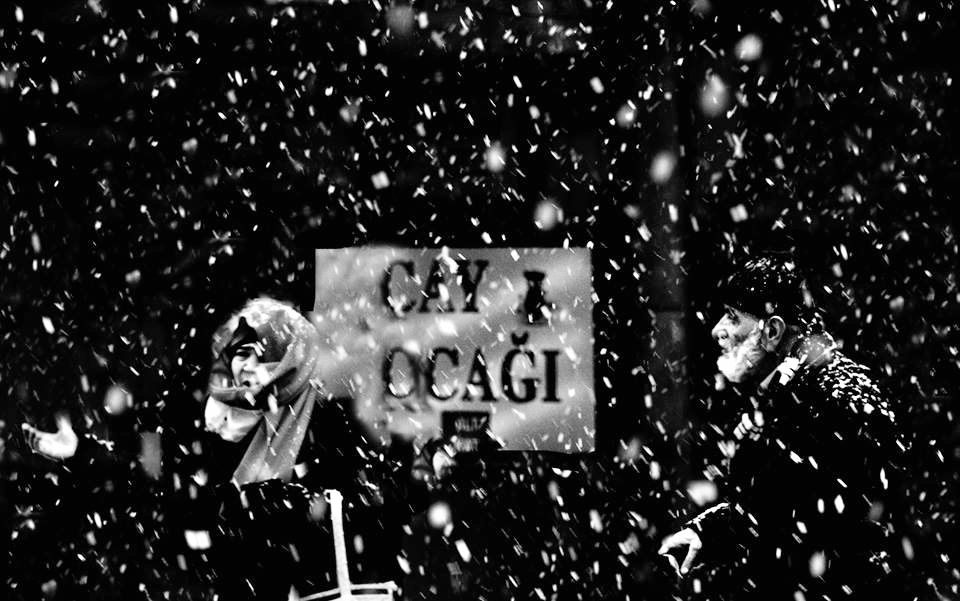
“snow”
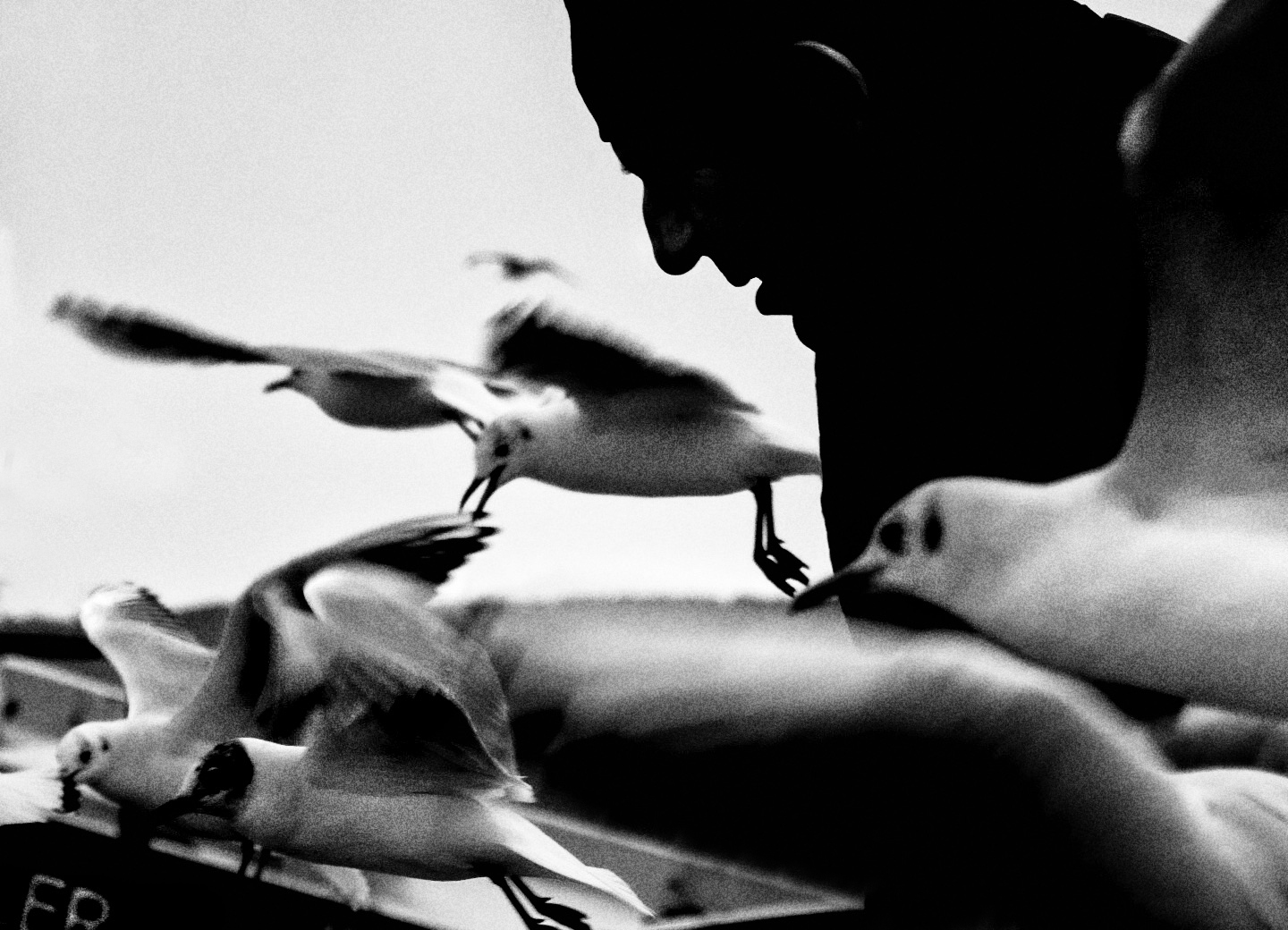
“sky”
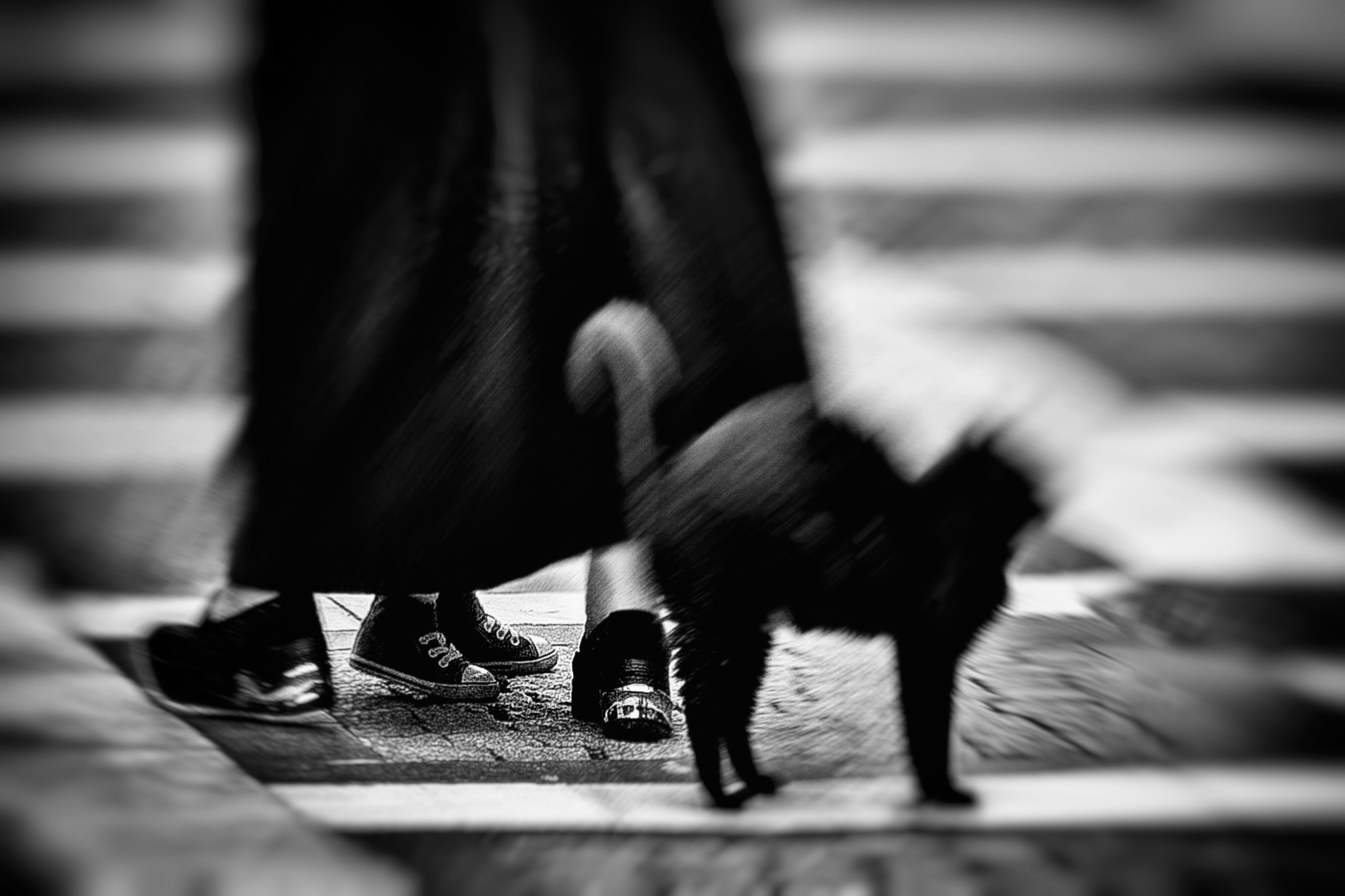
“black”

“fisherman”
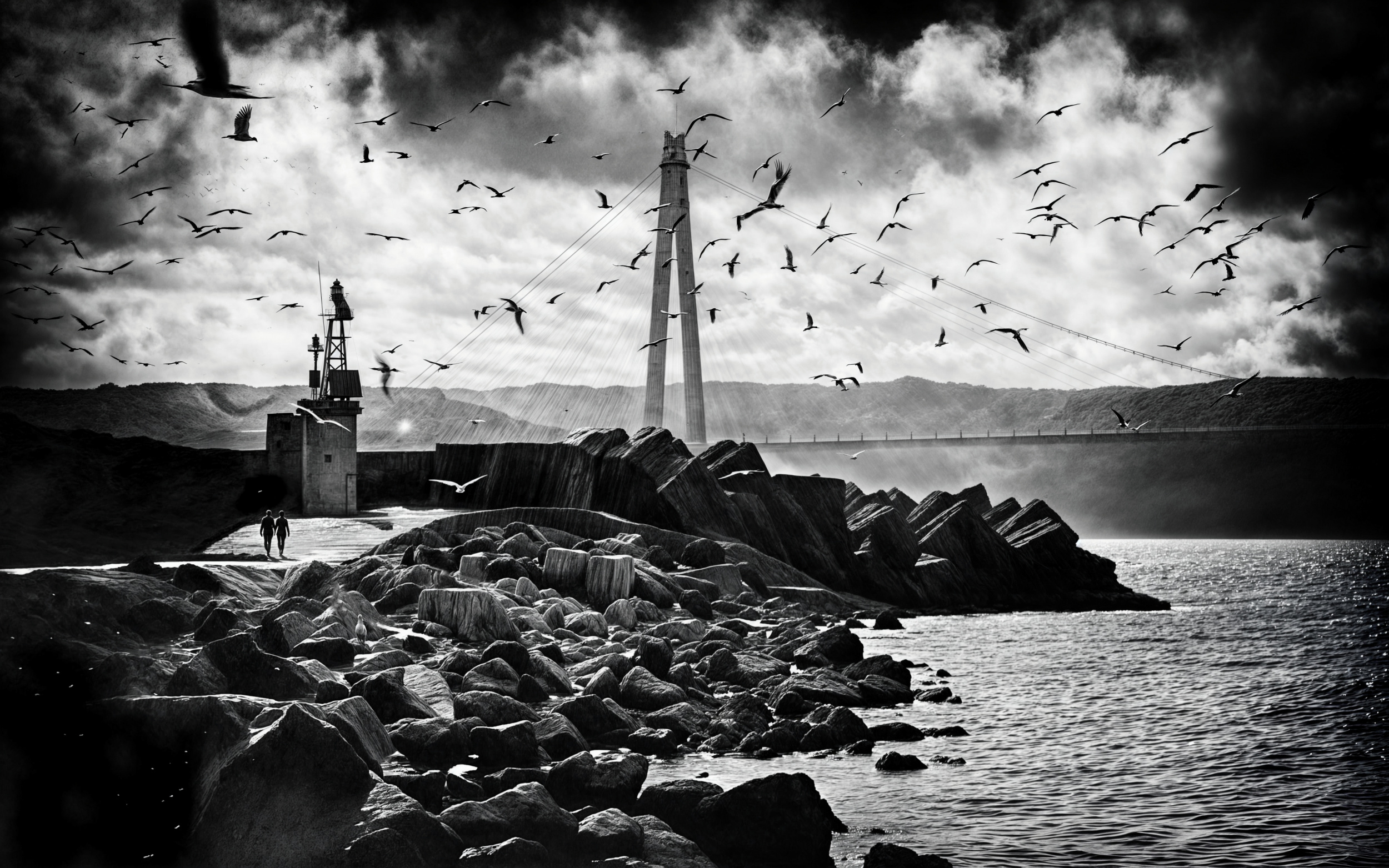
“bridge”
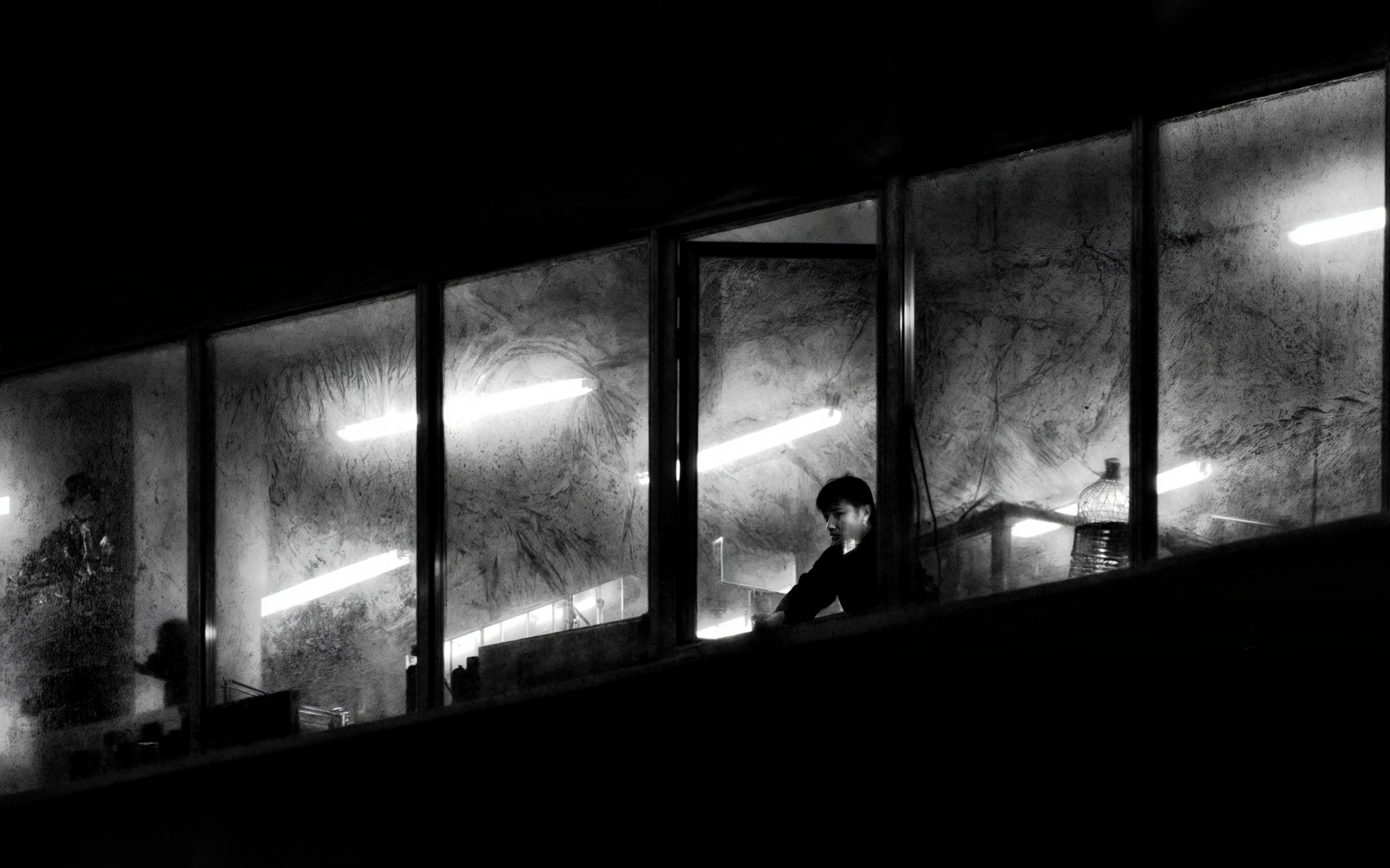
“workshop”
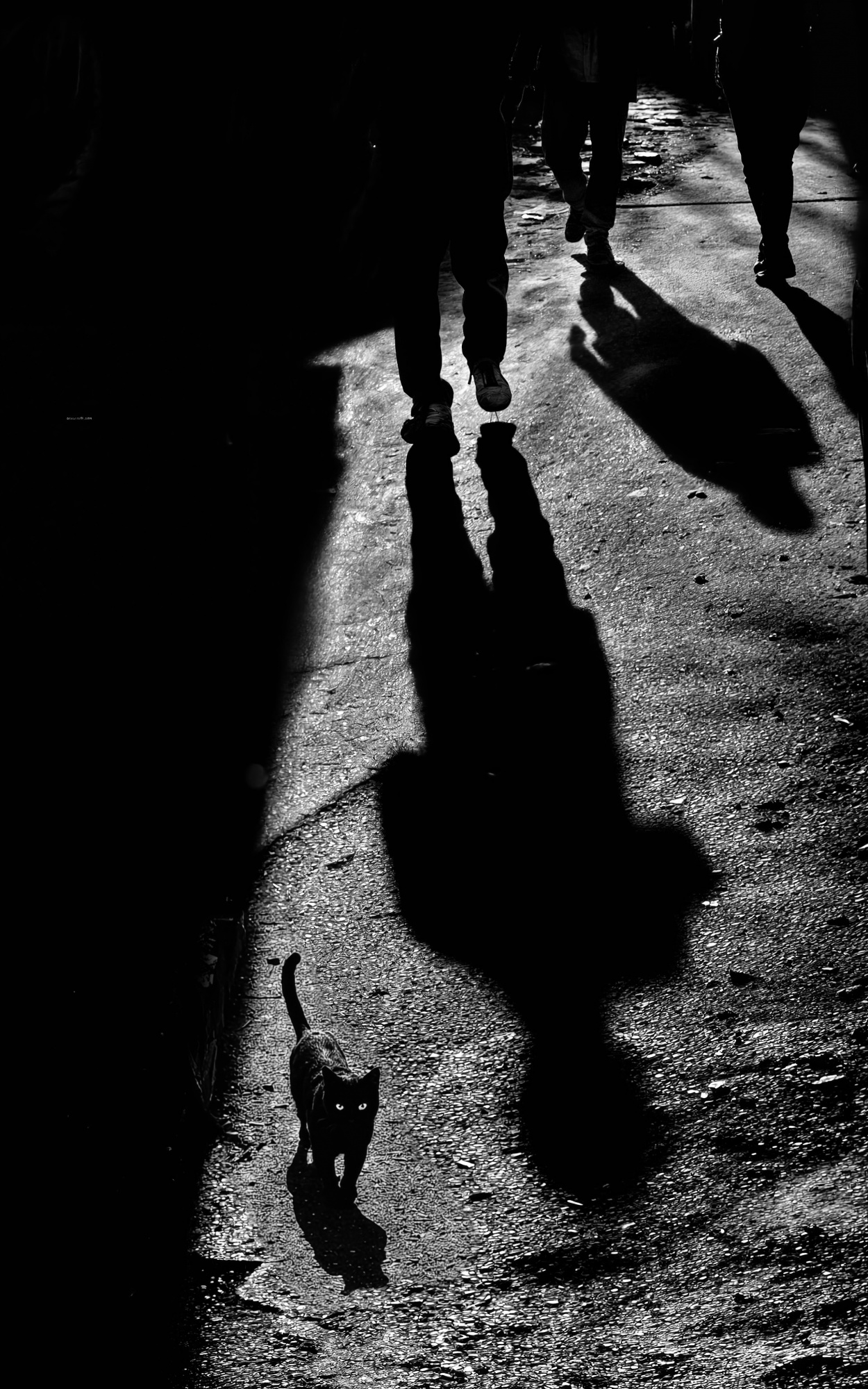
“shadow”
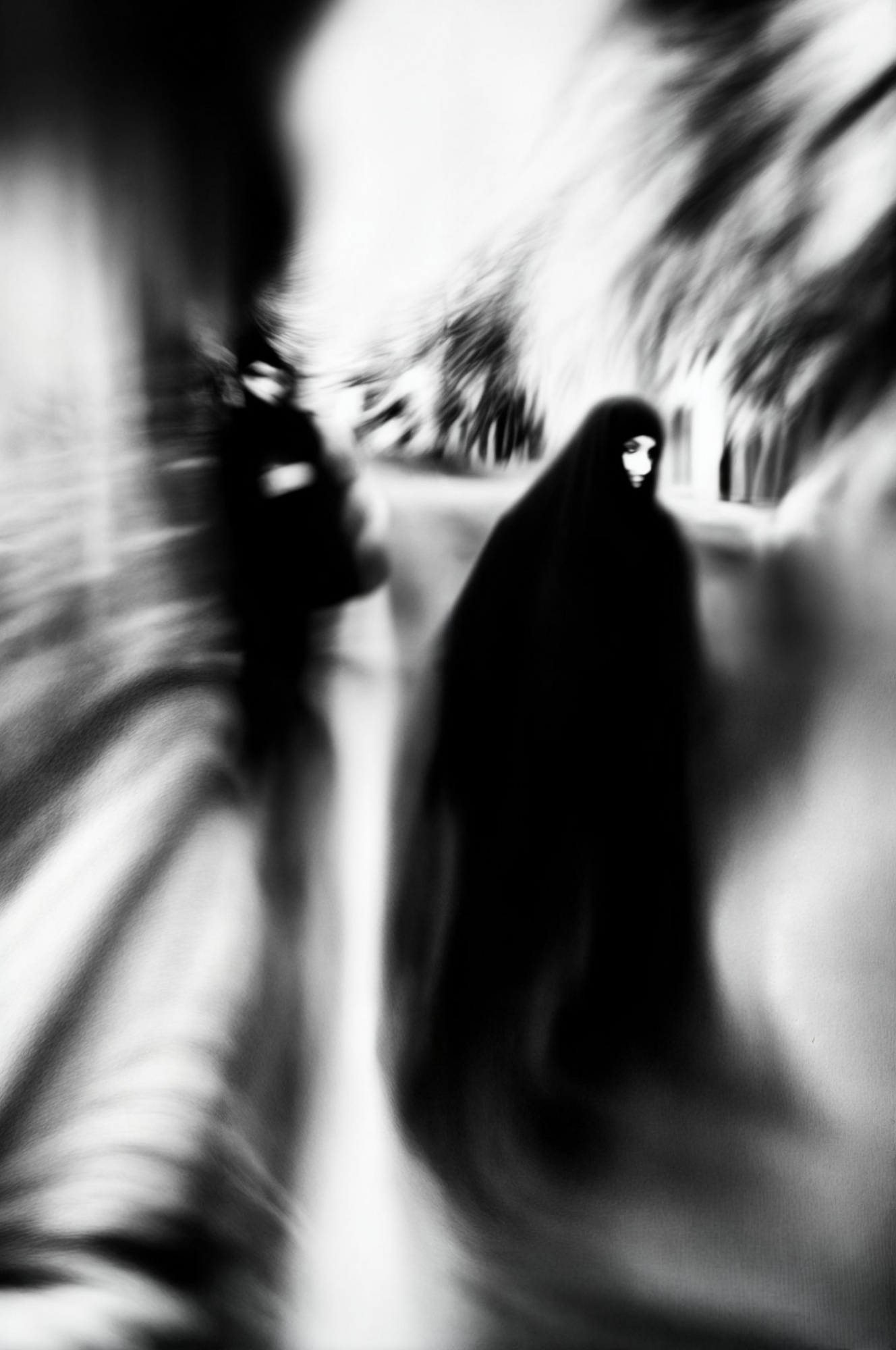
“black and white”
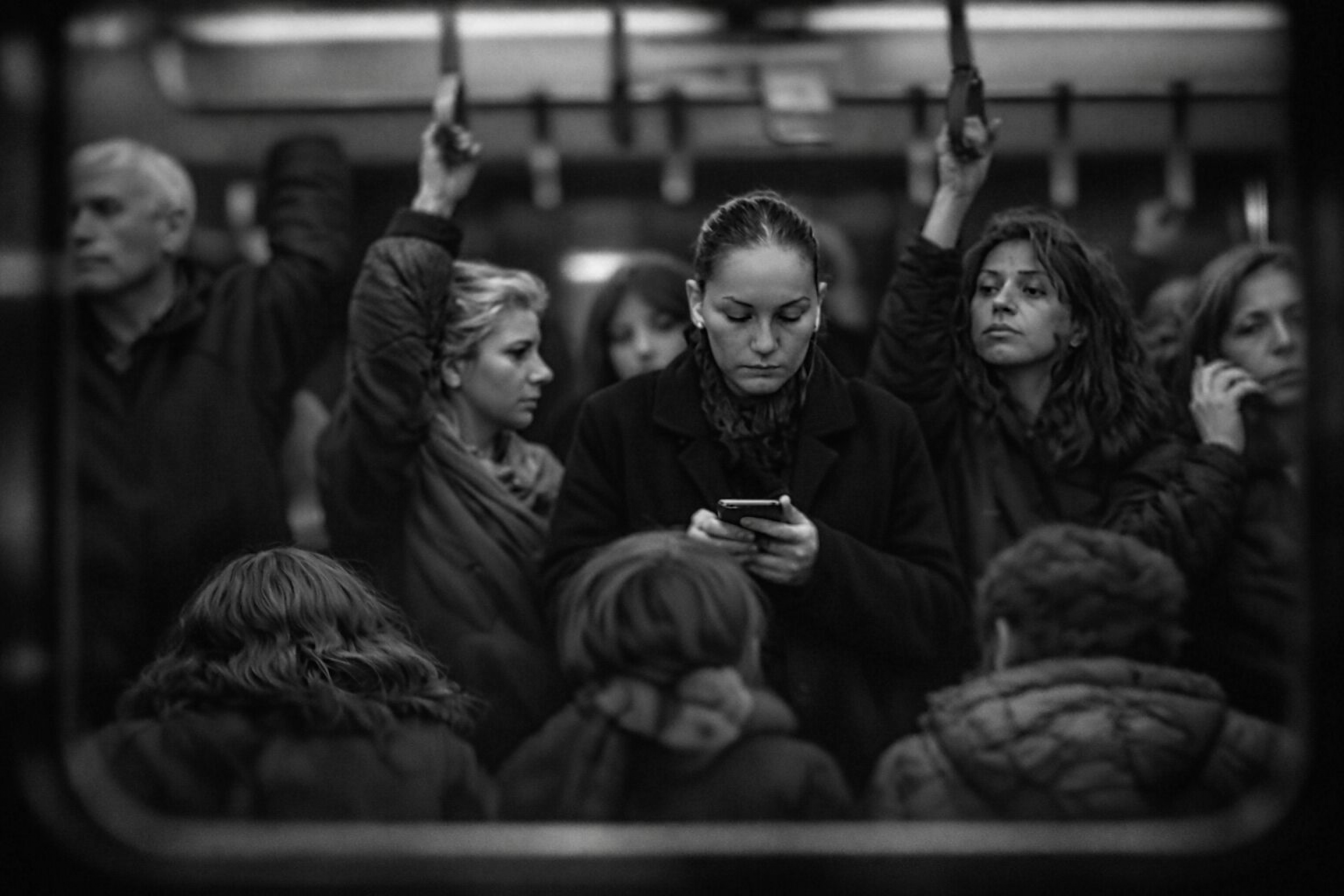
“metro”
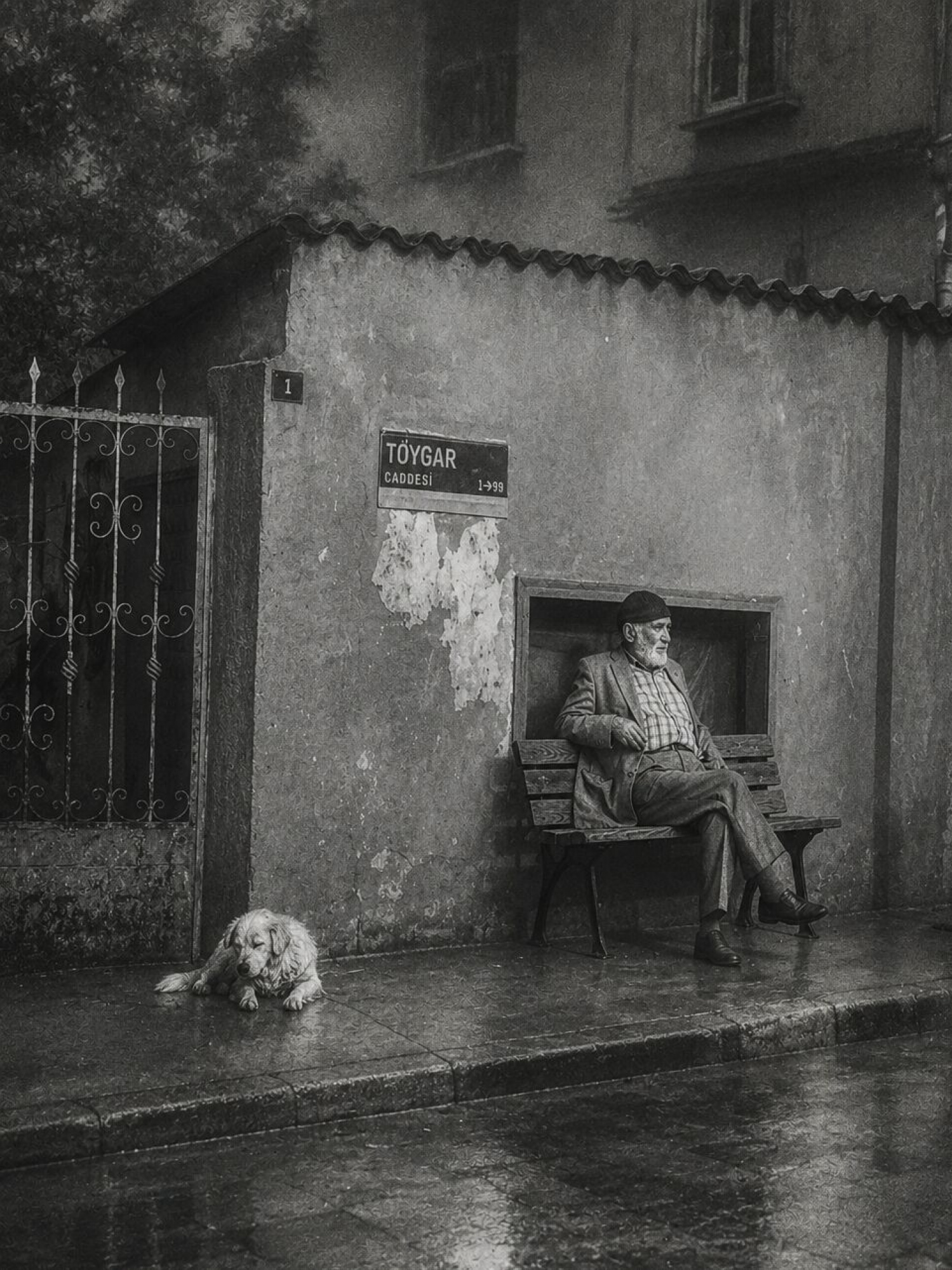
“stop”
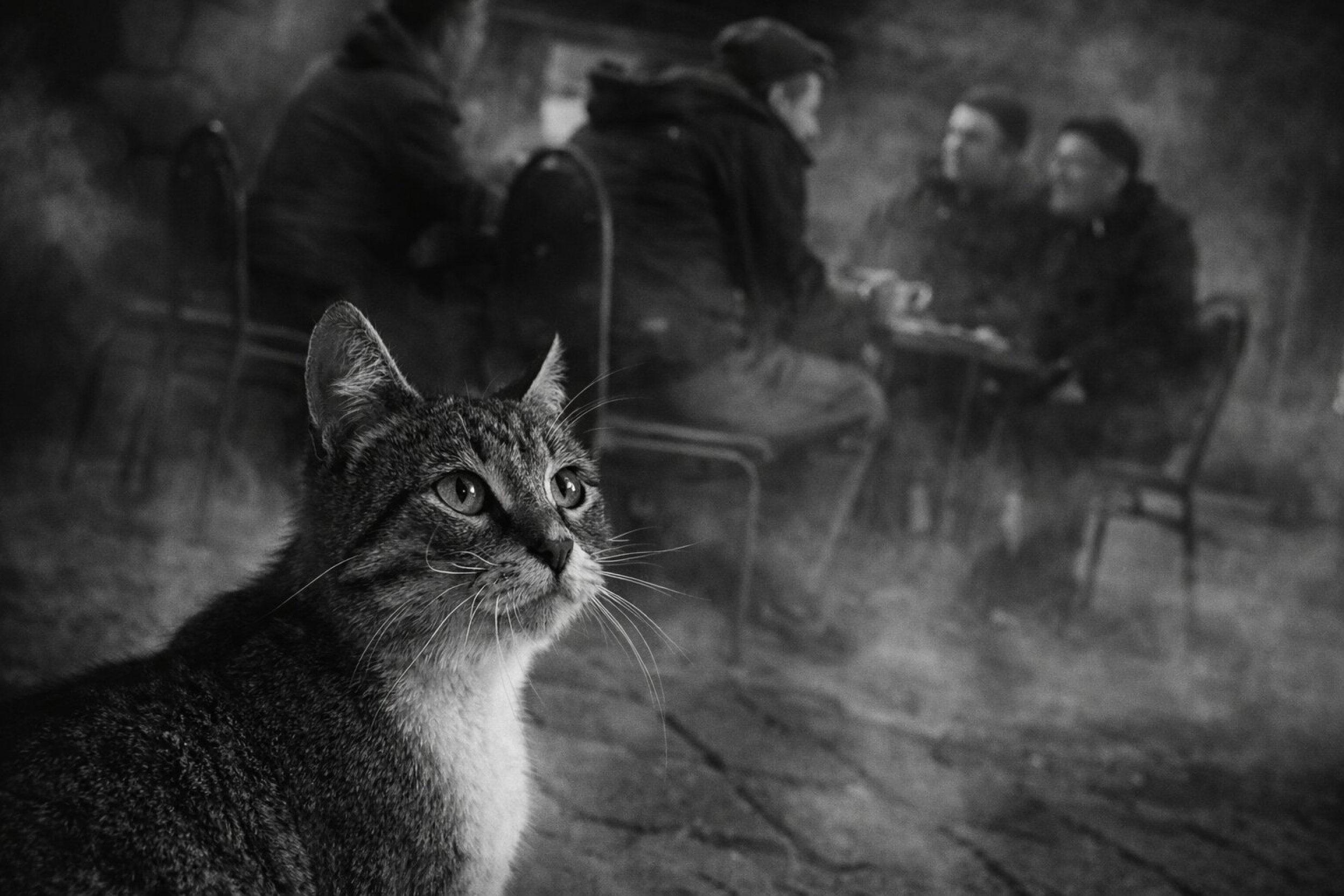
“re-View”
 | Write |
 | Svetlana Povarova Ree PRO Congratulations, dear Serdar! I read this online interview with great interest. Your street photographs are full of meaning and emotion, and are very artistic. Many thanks to Yvette as well! |
 | Patrick Compagnucci PRO Awesome work, congrats to all! |
 | Jane Lyons CREW dear Serdar..I love your 'street'! It is so rich and beautifully layered, it is a pleasure to look at. Really good street is becoming rare, and your work is just fabulous. Thank you for sharing it. |
 | Viktor Patoka PRO A wonderful interview and an impressive collection of photographs. I particularly enjoyed the elegant presentation and thoughtful design of the magazine itself. Everything feels carefully crafted, with genuine respect for photography and the photographer. My compliments to the artist and the editorial team! |
 | Yvette Depaepe CREW Thanks for your appreciation, Viktor ... Cheers, Yvette |